

Explore Off-Plan Projects
Stay in the loop Through our newsletter
Get to know about the latest real estate insights.

Next Level © 2026 All Right Reserved
Stay in the loop Through our newsletter
Get to know about the latest real estate insights.
Next Level © 2026 All Right Reserved
Choosing a home in one of Dubai’s high-rise towers involves more than location, price, or amenities. One factor that quietly shapes your daily comfort, running costs, privacy, and even resale value is the floor level you pick. In a vertical city defined by the Burj Khalifa and a skyline of residential landmarks, deciding whether to live high above the streets or closer to the ground is a genuine lifestyle and investment decision.
This guide breaks down the real pros and cons of high-floor and low-floor apartments in Dubai, backed by how the local market actually behaves, so you can choose with confidence.
A high-floor apartment in Dubai is generally better for panoramic views, privacy, quietness, and prestige, and it often commands a higher price and stronger resale appeal. A low-floor apartment is better for easy accessibility, faster daily commutes, lower rent, and family-friendly convenience. High floors suit investors and professionals chasing views and capital appreciation; low floors suit families, older residents, and anyone who values quick, step-free access.
Dubai’s residential scene is uniquely vertical. Many of the city’s most sought-after homes sit inside high-rise towers offering resort-style amenities, waterfront frontage, and easy access to business districts. Yet even within the same building, the floor you live on can meaningfully change your experience of light, air, noise, privacy, cooling costs, and emergency preparedness. Understanding these trade-offs before you sign a lease or purchase agreement helps you avoid buyer’s remorse and protect your long-term value.
Higher floors typically offer more privacy and noticeably less noise, which matters in busy hubs like Business Bay, Al Barsha, and along Sheikh Zayed Road. Extra distance from street-level traffic and activity translates into calmer, more secluded living, an ideal setup for professionals, remote workers, and anyone who values peace at the end of the day.
The signature appeal of high-floor living is the uninterrupted view. Waking up to sunrise over the Arabian Gulf or watching the skyline glow at night from your balcony is an experience unique to upper-floor apartments. In landmark towers around Downtown Dubai, Dubai Marina, and Palm Jumeirah, the higher units deliver the most dramatic cityscape and waterfront outlooks, and buyers consistently pay a premium for them.
Upper-floor units generally enjoy stronger air circulation and more natural light. They catch more breeze and are less likely to have airflow blocked by neighbouring buildings, while abundant daylight can reduce reliance on artificial lighting and support overall wellbeing.
Heavier dust and particulate matter tend to settle closer to the ground, so higher floors often feel cleaner day to day. Wind can still carry occasional dust, but the effect is usually milder the higher you go, which is worth considering near active construction zones such as Dubai Creek Harbour or Mohammed Bin Rashid (MBR) City.
Insects and rodents are largely ground dwellers, drawn to soil, waste, and food sources near street level. Upper-floor residences are naturally less exposed to these pests, and residents on higher floors typically report fewer encounters with them.
Living on the 20th or 30th floor means relying entirely on lifts. Most Dubai high-rises have fast, well-maintained elevators, but breakdowns and peak-hour queues can be frustrating, and stairs are rarely a practical daily alternative from great heights.
Although rare, emergencies such as fires or power outages call for quick evacuation. Descending many flights can be exhausting or risky for children, older residents, or people with medical conditions. Dubai’s towers follow strict safety codes, but evacuation time from upper floors remains a genuine consideration.
The same sunlight that brightens a high-floor apartment can also drive up cooling bills, especially for west-facing units that absorb strong afternoon heat. In sun-exposed locations like Jumeirah Beach Residence (JBR) and Downtown Dubai, poorly insulated upper units can see higher DEWA charges during summer.
Low floors are far easier to reach, a real advantage for families with young children, older residents, and anyone with mobility needs. Getting in and out feels effortless, with less waiting and less dependence on lifts.
Shorter lift rides, or none at all, mean quicker mornings and simpler errands. Carrying groceries, managing strollers, or heading out in a hurry is much smoother on lower floors.
Lower-floor units usually rent and sell for less than comparable high-floor apartments in the same tower, and they can be cheaper to cool. For budget-conscious tenants and end-user families, that value is a strong draw.
If the lift is down for maintenance, low-floor residents are barely affected, they can simply take the stairs. That independence adds a layer of everyday reliability.
Being closer to the street means more exposure to traffic, pedestrians, and community noise, which can matter in lively districts.
Ground-level air tends to carry more dust and pollutants, so lower units may need more frequent cleaning and can feel less fresh, particularly near busy roads or construction.
Proximity to the ground brings a marginally greater chance of encountering insects or rodents, making regular pest control worthwhile.
Lower floors rarely offer the sweeping vistas of upper units, and surrounding buildings can block both sightlines and daylight.
View and prestige: High floors win with panoramic skyline and sea views; low floors offer limited, often obstructed outlooks. Noise and privacy: High floors are quieter and more private; low floors face more street noise. Accessibility: Low floors are quicker and step-free; high floors depend on lifts. Cost: Low floors generally cost less to rent, buy, and cool; high floors carry a premium. Resale and rental value: High floors tend to attract stronger resale interest and premium short-term rental rates, while low floors can appeal to long-term family tenants.
Floor level is not just about lifestyle, it directly influences pricing. In Dubai’s prime towers, higher floors, especially those with unobstructed sea or skyline views, typically command a noticeable price-per-square-foot premium over comparable lower units in the same building. That premium reflects demand for views, privacy, and prestige, and it often carries through to resale and short-term rental performance. Low-floor units, by contrast, can offer better entry pricing and steady appeal to families seeking long-term homes. For buyers weighing returns, it is worth reviewing verified transaction data and market indicators published by the Dubai Land Department before committing.
If you are comparing options across the city, it also helps to explore live listings and area-specific guidance. You can browse current apartments in Dubai, review why two-bedroom apartments remain in high demand, or study waterfront demand through our guides to investing in Dubai Marina and the Business Bay real estate market.
You prioritise panoramic views, privacy, and a quieter home; you are an investor targeting capital appreciation and premium rental rates; you do not mind relying on elevators; and you can factor in potentially higher summer cooling costs.
You value quick, step-free access and shorter daily commutes; you have young children, older family members, or mobility needs; you want lower rent and running costs; and skyline views are not a priority.
Yes. High-floor units, particularly those with clear sea or skyline views, usually carry a price and rent premium over comparable lower-floor apartments in the same tower, reflecting demand for views, privacy, and prestige.
Low and mid floors are often best for families, offering easier accessibility, faster entry and exit, lower costs, and less dependence on elevators, which is convenient with children or elderly relatives.
Generally yes. High floors with strong views tend to attract more buyer interest and command premium resale and short-term rental rates, though final value always depends on the tower, view, and overall market conditions.
Typically yes. Heavier dust and pollutants settle closer to the ground, so lower floors can require more frequent cleaning, while higher floors usually feel cleaner day to day.
There is no universally best floor in Dubai, only the floor that best fits your lifestyle, budget, and goals. High floors reward you with views, privacy, and prestige, along with a premium price tag and greater reliance on lifts. Low floors reward you with convenience, accessibility, and value, at the cost of views and a little more street-level noise and dust. Weigh how you actually live day to day, and how you want your property to perform as an investment, and the right choice becomes clear. For tailored advice on specific towers and communities, speaking with an experienced Dubai property specialist can help you match the ideal floor to your budget and long-term plans.

Get the latest property updates.
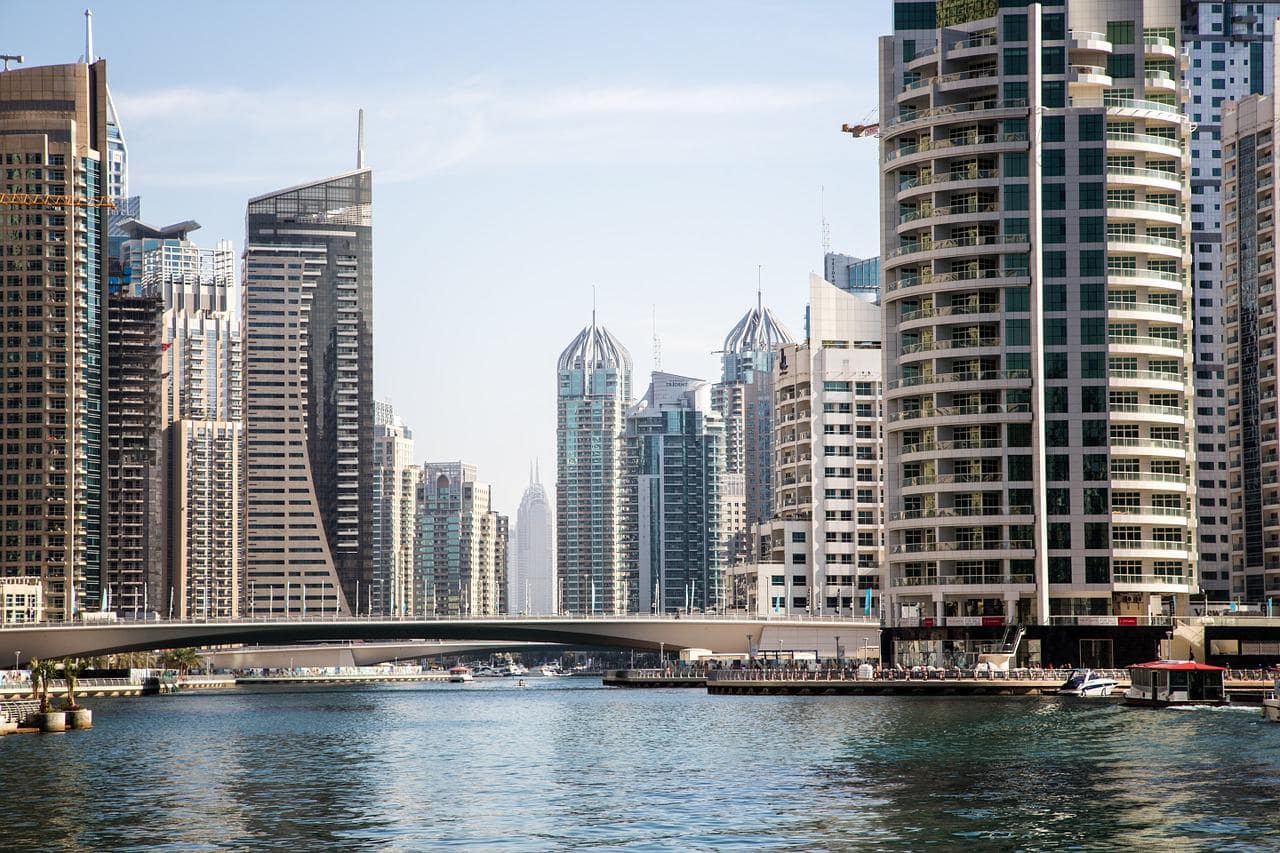
The UAE is one of the most popular destinations for expats and tourists. The country offers a wide range of attractions, such as luxurious hotels, world-class restaurants, and i
2022-07-27
Continue Reading
Studio apartments have become one of the most popular property choices for real estate investors in Dubai. They are compact, affordable compared with larger apartments
2026-06-24
Continue Reading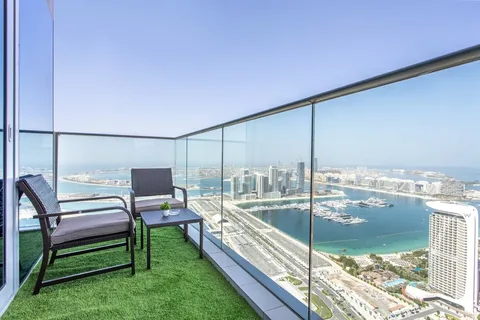
In a city that stretches vertically as much as it does across the desert skyline, choosing a floor level in high-rise apartments in Dubai is more than a matter
2025-06-13
Continue Reading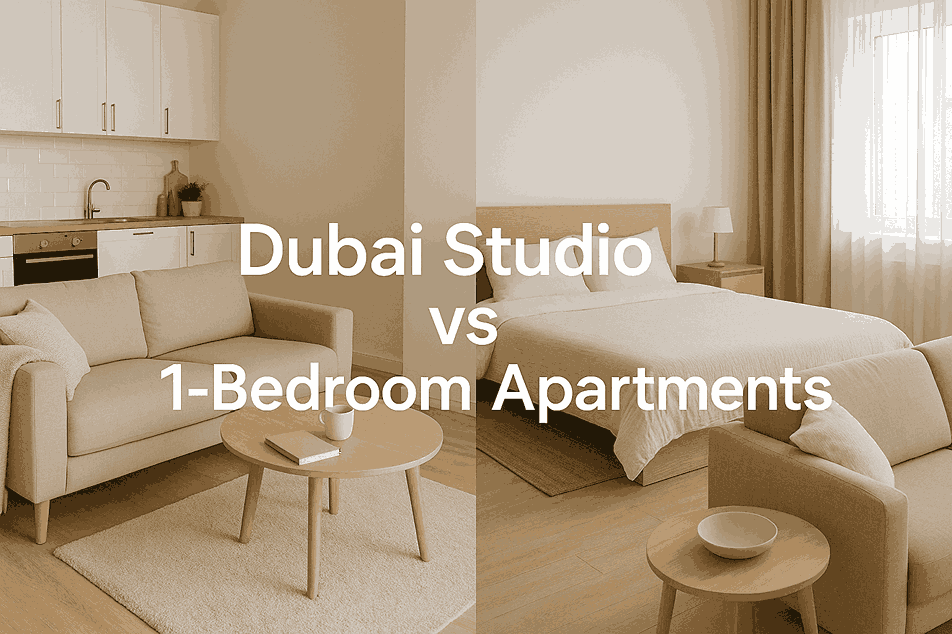
Dubai’s appeal continues to surge alongside its remarkable population growth. As of 2025, the emirate’s metro area is home to approximately 3.095 million residents, ma
2025-06-16
Continue Reading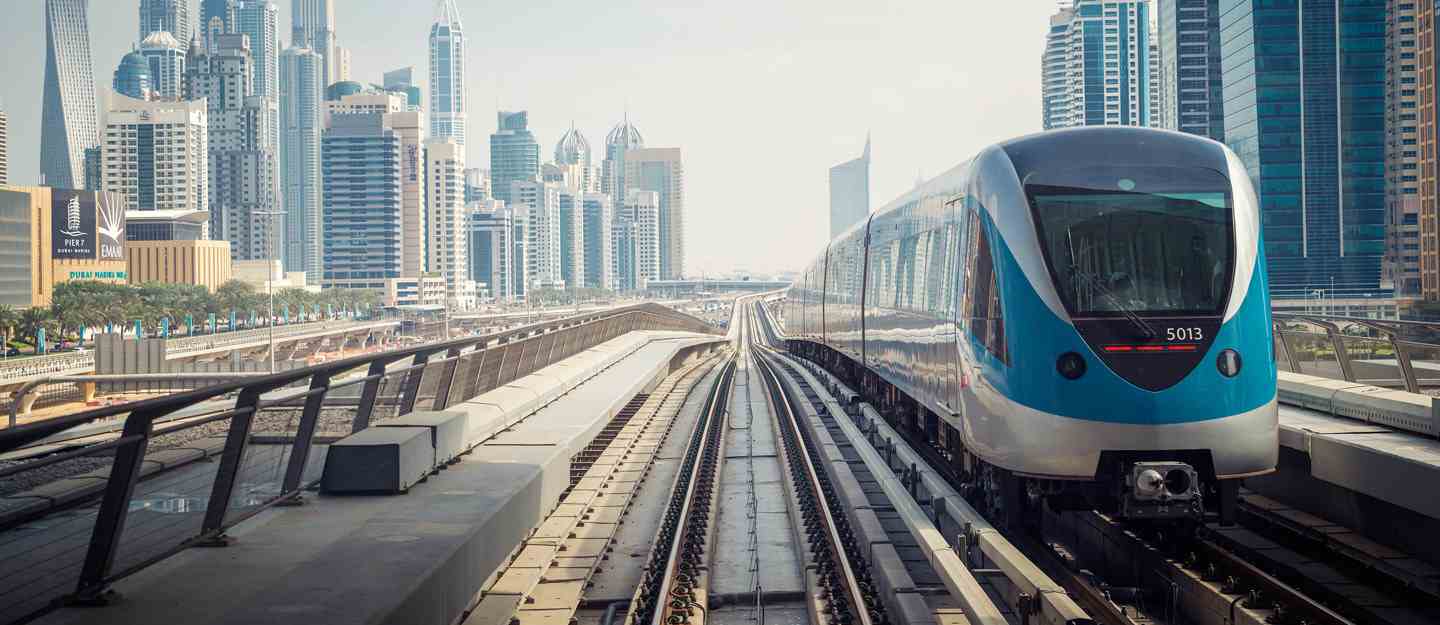
Buyers and renters alike are increasingly preferring to live in Dubai apartments near metro stations. Such proximity offers unparalleled convenience, granting easy acc
2025-06-18
Continue Reading