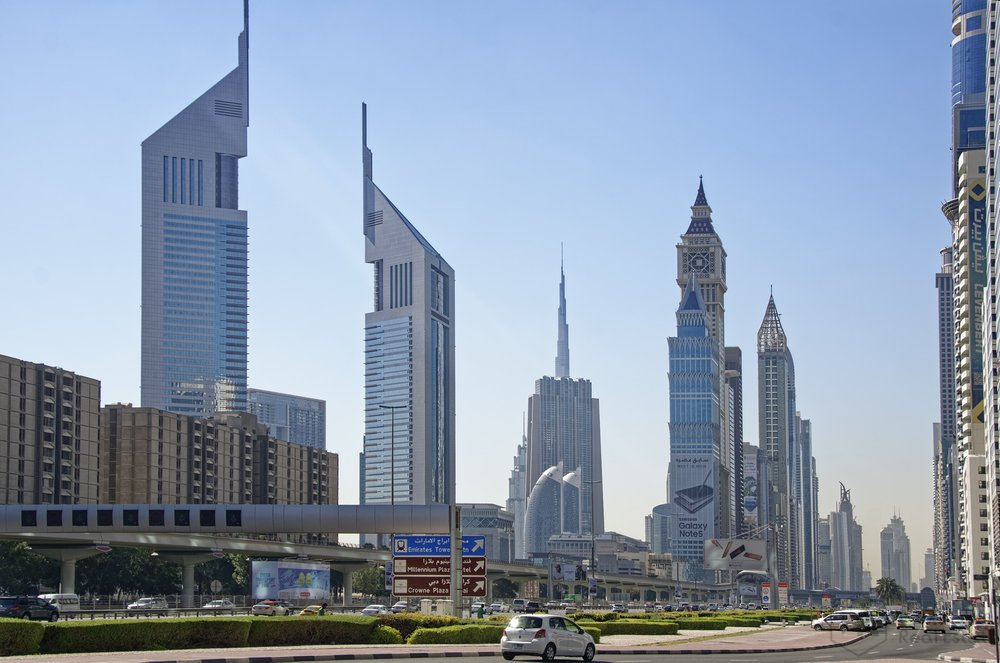

Flipping Properties in Dubai has rapidly gained traction as one of the most enticing short-term real estate strategies in the UAE. With its dynamic housing market, tax-free environment, and rising demand for modern homes, Dubai presents a ripe opportunity for property investors looking to turn quick profits.
But while the idea of buying low, renovating, and selling high sounds simple, the nuances of the market, legal landscape, and cost factors play a critical role. Is this strategy truly profitable in 2025? Let’s explore the processes, profitability, risks, and best practices for flipping real estate in the UAE.
What Does Flipping Properties in Dubai Involve?
Flipping properties refers to the strategy of purchasing real estate, often renovating or upgrading it, and reselling it in a short time frame for profit. It’s a popular practice among real estate investors worldwide, and Dubai offers fertile ground for this strategy due to its stable infrastructure, luxurious developments, and growing expat population.
The Flipping Process
The buy-to-sell property strategy typically involves:
Identifying undervalued or high-potential properties
Purchasing the property outright or through financing
Renovating or furnishing the unit (if needed)
Marketing and reselling it for a higher price
The entire process, when timed correctly, can be completed within 6–18 months, making it a short-term property investment in Dubai.
Why Dubai is Suitable?
Dubai’s appeal lies in several factors:
No capital gains tax
High liquidity in the housing market
Strong demand for luxury and mid-tier housing
Progressive urban development in freehold areas
These factors collectively make real estate flipping in Dubai a viable and attractive investment.
Legal Aspects
Flipping is legal in Dubai but comes with specific guidelines. For off-plan properties, developers may impose restrictions on reselling until a certain percentage of payment is completed. A No Objection Certificate (NOC) may also be required from the developer. Furthermore, the Dubai Land Department (DLD) imposes a 4% transfer fee on property resales. Flippers must ensure full legal compliance to avoid delays and penalties.
Popular Property Types for Flipping
The most frequently flipped assets include:
Studio and 1-bedroom apartments
Mid-range off-plan units in high-growth areas
Renovated townhouses and villas in mature communities
Areas like Jumeirah Village Circle (JVC), Business Bay, Dubai Hills Estate, and Arjan often present lucrative opportunities for property renovation and resale.
How Profitable Is Real Estate Flipping in Dubai?
Profitability depends on multiple factors, including timing, location, cost structure, and market sentiment. Many investors report double-digit ROI on property in Dubai, especially when entering during launch prices and exiting before project handover.
ROI by Property Type
Studios & 1BR Apartments: ROI between 8%–15%
Townhouses/Villas: ROI can reach 20%–25% post-renovation
Off-Plan Units: Potential for 15%–30% appreciation before handover
The Impact of Timing and Location
Location plays a major role. Properties near metro stations, beaches, business districts, and upcoming infrastructure like Dubai South or Dubai Creek Harbour tend to appreciate faster. Moreover, market timing—such as entering during a buyer’s market or early-stage launch—can significantly amplify profits.
Cost vs. Profit Analysis
Costs include:
Property price + DLD fees
Renovation and furnishing expenses
Service charges and marketing fees
Brokerage or agency commission
On a properly flipped unit, a profit margin of AED 100,000–AED 500,000 is common, depending on the segment.
Off-Plan vs. Ready Properties
Off-plan flips offer higher margins due to lower entry costs and flexible payment plans. However, they carry more risk and restrictions on resale. Ready properties provide faster exit options but may require more upfront capital and renovation.
Case Examples
In 2024, a 1-bedroom apartment in JVC purchased for AED 600,000 was sold after cosmetic renovations at AED 720,000 within 11 months—yielding a net profit of approximately AED 80,000 after costs.
What Are the Risks of Short-Term Property Resale?
While the upside of flipping is attractive, there are several risks every investor must consider.
Market Volatility
The real estate market trends in Dubai can fluctuate due to global economics, oil prices, and regulatory changes. A sudden drop in demand can impact resale timelines and profit margins.
Regulatory Hurdles
Developers may place hold periods before a unit can be resold. Changes in mortgage laws or resale taxation policies could also impact cash flow and timing.
Construction Delays
For off-plan properties, delays in handover due to labour shortages, funding issues, or regulatory inspections can affect your exit strategy.
Mortgage Limitations
For mortgaged properties, banks may restrict early resale. Some impose penalty clauses if the property is sold before a certain period, affecting your cash out.
Overcapitalization
Spending too much on upgrades can make the property overpriced relative to market value. Hence, real estate investor tips often include capping renovation budgets to 10%–15% of property value.
How Can First-Time Investors Succeed in Property Flipping?
Success in flipping requires more than capital—it demands strategy, research, and execution.
Key Steps
Market Research: Understand demand trends, pricing, and absorption rates
Location Analysis: Invest in areas with new infrastructure, malls, or metro access.
Budgeting: Factor in all costs, including hidden charges like DLD fees and agency commissions.
Target High-Growth Areas
Neighbourhoods like JVC, Dubai Hills, Meydan, and Town Square offer significant upside due to high rental demand and capital appreciation. Always assess developer reputation and delivery record.
Work with Professionals
Partnering with seasoned real estate agents or consultants provides access to off-market deals, legal advice, and better resale connections.
Plan Your Exit Strategy
Before buying, decide whether the flip will be quick (3–6 months), medium (6–12 months), or long-term (>12 months). Knowing this will help shape your financing and renovation approach.
Learn from Market Cycles
Study how the market has evolved post-Expo 2020, COVID-19 recovery, and in light of Vision 2040. Timing your entry and exit based on these trends can boost success.
Are Studio and Apartment Flips Still Worth It in 2025?
Despite market maturity, studio and 1-bedroom apartment flipping remains one of the easiest entry points for new investors.
Demand for Compact Units
Expats and single professionals continue to prefer compact living. These units are easier to rent and resell, especially in centrally located areas.
Affordability and Quick Turnover
Studios priced between AED 400,000–600,000 offer faster exits and lower capital barriers. You can expect a 10%–14% ROI depending on the project and upgrades.
Backup Rental Strategy
If the unit doesn’t sell immediately, you can list it for rent and earn passive income until the market conditions improve. This hybrid model of flip or lease mitigates risk.
Post-COVID Buyer Preferences
Modern, functional spaces with home-office setups, balconies, and smart features are now preferred. Renovating an older studio to match these features can increase desirability.
Off-Plan vs. Ready Apartments
Off-plan options may give better appreciation but often come with stricter flipping rules. Ready apartments are preferable if you’re aiming for a faster exit with minimal legal friction.
What Legal and Financial Steps Should Flippers Take in Dubai?
Due diligence is essential in Dubai’s regulatory-heavy environment. Here’s what you need to ensure:
DLD Fees and Registration
You’ll need to pay a 4% DLD fee plus admin charges during purchase. This is non-negotiable and applies to both ready and off-plan properties.
Early Resale Rules & NOCs
For off-plan units, developers usually require a minimum of 30–50% payment before granting a No Objection Certificate (NOC) to resell. Each developer may have different criteria.
Capital Gains Tax
Dubai currently imposes no capital gains tax, making it favourable for flippers. However, always check with a tax consultant if you have overseas obligations.
Off-Plan Flipping Compliance
Flipping off-plan properties without approvals can lead to penalties or even contract cancellation. Always consult the sales agreement for clauses related to resale timing.
Financial Planning
Secure pre-approval from banks or have liquidity available for quick purchases. If financing, be aware of early settlement fees and mortgage structure limitations.
Is Flipping the Right Strategy for You?
Flipping Properties in Dubai can be a highly profitable venture—but only when done right.
Pros
High ROI potential
Tax-free gains
Rapid asset turnover
Market liquidity
Cons
Regulatory hurdles
Timing sensitivity
Capital-intensive for ready properties
Risk of market corrections
Ideal Investor Profile
Flipping is ideal for:
Investors with strong capital or access to mortgage
Those willing to monitor and adapt to real estate market trends
Investors with time to manage renovations and sales actively
Balance Risk and Reward
Don't overextend yourself. Start small, assess your results, and scale gradually. Consider diversifying into buy-to-hold properties or REITs if flipping becomes too time-sensitive.
Final Thoughts
Flipping Properties in Dubai is not a get-rich-quick scheme. It requires knowledge, planning, and agility. If you have a defined strategy, understand the market, and are aligned with your financial goals, flipping could be your gateway to building long-term wealth in Dubai’s ever-evolving real estate sector.