

Explore Off-Plan Projects
Stay in the loop Through our newsletter
Get to know about the latest real estate insights.

Next Level © 2026 All Right Reserved
Stay in the loop Through our newsletter
Get to know about the latest real estate insights.
Next Level © 2026 All Right Reserved
Dubai has become one of the world's most active real estate markets for global investors, entrepreneurs, high-net-worth individuals and digital-asset holders. As cryptocurrency adoption grows, many buyers now ask a direct question: can you buy property in Dubai with cryptocurrency?
The answer is yes, it may be possible to use cryptocurrency as part of a Dubai property purchase, but the process is not as simple as sending Bitcoin to a seller and receiving a title deed. Dubai real estate transactions still need to follow Dubai Land Department procedures, virtual asset regulations, anti-money laundering checks, source-of-funds verification, payment settlement rules and legal documentation.
In many cases, crypto is used as a funding source and then converted into AED before the property transfer is completed. Buyers should not assume that Dubai Land Department directly accepts Bitcoin, Ethereum or stablecoins for title deed transfer. The safest approach is to work with a licensed real estate broker, a crypto-aware legal advisor and a regulated virtual asset or payment service provider where required.
This guide explains how crypto-funded property purchases in Dubai work in 2026, what the legal framework looks like, which documents are usually required, what risks buyers should understand, and how investors can protect themselves.
Yes, buyers may be able to buy property in Dubai using cryptocurrency, but the transaction must be structured correctly. The property transfer still needs to follow Dubai Land Department rules, and the payment may need to be converted into AED or processed through approved channels before completion.
Dubai Land Department's Property Sale Registration service lists accepted payment methods as ePay, Dubai Pay, Noqodi Wallet and manager cheque. It does not list Bitcoin or Ethereum as direct payment methods for property transfer registration. The same DLD service also states that buyers and sellers must provide Emirates ID or a valid passport for non-resident foreigners, plus developer e-NOC in freehold areas where applicable.
So, crypto can be part of the funding route, but official property ownership is still completed through DLD's registered transfer process.
Buying property in Dubai with cryptocurrency may be possible through selected sellers, developers, brokers or compliant payment arrangements, but every transaction must meet UAE real estate rules, anti-money laundering requirements, banking checks and virtual asset regulations.
Crypto-funded property purchases should be handled carefully because:
This article is for general information only. Buyers should confirm the latest rules with DLD, VARA, their bank, broker, developer, payment provider and legal advisor before transferring any crypto.
A common mistake is assuming that a crypto property deal and a DLD property transfer are the same thing. They are not.
A crypto payment is about how the buyer funds the purchase. A DLD property transfer is the official process that changes ownership and results in the buyer receiving the electronic title deed.
|
Item |
What It Means |
Why It Matters |
|
Crypto-funded purchase |
Buyer uses crypto assets to fund the property purchase |
Crypto may need to be converted into AED before transfer |
|
Direct crypto acceptance |
Seller or developer agrees to accept crypto through a compliant structure |
Must be verified before making an offer |
|
DLD transfer |
Official property sale registration through Dubai Land Department |
This is what legally transfers ownership |
|
Electronic title deed |
Official ownership document issued after DLD registration |
This proves ownership |
|
Tokenized real estate |
Fractional property investment through blockchain-based tokens |
Different from buying a full apartment or villa |
The buyer's goal should not only be to "pay with crypto." The real goal is to complete a compliant transaction and receive a valid title deed.
Dubai has built a regulated virtual asset ecosystem. The Virtual Assets Regulatory Authority, known as VARA, is responsible for regulating and overseeing the provision, use and exchange of virtual assets in and from Dubai. VARA also states that it is the sole authority regulating virtual assets across Dubai's mainland and free zones, except within the Dubai International Financial Centre.
VARA maintains a public register of Virtual Asset Service Providers, including fully licensed firms and firms that hold In-Principle Approval. VARA notes that firms with only In-Principle Approval are not allowed to start operations or serve clients until they obtain the full VASP licence.
This matters for real estate buyers because crypto-related services should not be handled casually. A buyer should check whether any exchange, OTC desk, broker-dealer, custody provider or payment provider involved in the transaction is properly licensed or authorized for the relevant activity.
Dubai Land Department's Property Sale Registration service lists the payment methods for sale registration as ePay, Dubai Pay, Noqodi Wallet and manager cheque. It does not list Bitcoin, Ethereum, USDT or USDC as direct payment options for property sale registration.
This means buyers should avoid assuming that they can send cryptocurrency directly to DLD for transfer fees or title deed registration. In practical terms:
The safest message is this: crypto can fund the purchase, but DLD transfer must still be completed through official real estate procedures.
A crypto-funded property purchase usually follows one of three models.
|
Model |
How It Works |
Best For |
Key Risk |
|
Crypto converted to AED before transfer |
Buyer sells crypto through a compliant provider and uses AED for the purchase |
Most buyers |
Exchange-rate movement and compliance checks |
|
Seller accepts crypto through agreed structure |
Seller or developer accepts crypto settlement through a compliant process |
Private deals or selected developers |
Must verify legal, tax and settlement risks |
|
Partial crypto-funded purchase |
Buyer uses crypto for part of the payment and AED or bank transfer for the rest |
Buyers with mixed liquidity |
Must document conversion and payment trail clearly |
In all cases, the contract should clearly state how the AED value is calculated, when the conversion rate is locked, who pays conversion costs, what happens if the crypto price changes, and how payment completion will be verified.
Follow this practical buying real estate in Dubai with cryptocurrency process from property selection through to final title deed registration.
Start by selecting the property based on your real estate goals, not only crypto acceptance. Consider location, developer, price, rental demand, handover timeline, service charges, resale potential and Golden Visa eligibility where relevant. Good property types for crypto investors may include:
Before making an offer, confirm whether the seller, developer or broker can support a crypto-funded transaction. Acceptance varies by property, seller policy, developer policy and payment structure. Avoid making any crypto transfer until the process is confirmed in writing.
A crypto property purchase should involve professionals who understand both Dubai real estate and digital assets. You may need:
This reduces the risk of wrong settlement, compliance rejection, scams or legal disputes.
Crypto buyers must be ready to prove where the funds came from. This is one of the most important parts of the transaction. You may need to show:
Buyers who cannot clearly explain the source of their crypto may face delays or rejection.
Dubai property prices are normally negotiated and registered in AED. If crypto is used, the buyer and seller must agree how the crypto amount will be calculated. The agreement should answer:
These terms should be written clearly before the buyer sends funds.
Depending on the structure, the buyer may convert crypto into AED before transfer or use a compliant provider to settle the payment. The buyer should keep clear records of:
This record trail helps prove the legitimacy of funds.
For ready property, the parties usually sign Form F or a sale agreement. For off-plan property, the buyer usually signs developer documents, reservation form, payment plan and Sales and Purchase Agreement. The agreement should clearly mention payment terms and timelines.
DLD's Property Sale Registration service requires Emirates ID for buyer and seller identity verification, or a valid passport for non-resident foreigners, plus developer e-NOC in freehold areas where applicable. DLD issues an electronic title deed after successful registration. Additional documents may be needed depending on the transaction, such as mortgage documents, Power of Attorney or company documents.
DLD lists seller and buyer registration fees as 2 percent each of the sale value, with additional title deed, map, knowledge, innovation and service partner fees. Payment methods listed include ePay, Dubai Pay, Noqodi Wallet and manager cheque. In market practice, buyers often pay the full 4 percent DLD fee depending on the agreement, but the agreement should state this clearly.
Once documents are verified, fees are paid and the transaction is approved, DLD sends the output by email. The official issued document is the electronic title deed. That title deed, not the crypto transfer itself, is what proves real estate ownership.
|
Document |
Why It Matters |
|
Passport / Emirates ID |
Buyer identity verification |
|
Form F / Sale Agreement / SPA |
Records property transaction terms |
|
Developer e-NOC |
Required for transfer in freehold areas where applicable |
|
Proof of funds |
Shows financial capacity |
|
Crypto wallet ownership proof |
Shows buyer controls the wallet |
|
Exchange statements |
Shows crypto purchase or holding history |
|
Transaction history |
Helps prove source of funds |
|
Crypto-to-AED conversion receipt |
Creates settlement trail |
|
Bank statement |
Shows AED receipt or transfer |
|
Power of Attorney |
Needed if buyer signs remotely |
|
Mortgage documents |
Required if financing is involved |
|
Company documents |
Required if buying through a company |
Crypto buyers should prepare documents early because compliance checks may take longer than a traditional cash purchase.
Crypto volatility is one of the biggest risks in property transactions. Dubai property values are normally agreed in AED, while crypto values can change quickly.
|
Risk |
Example |
How to Reduce It |
|
Price drop before settlement |
Buyer's crypto becomes worth less than agreed AED price |
Lock conversion timing in writing |
|
Price rise after agreement |
Buyer may feel they paid too much in crypto terms |
Agree whether AED or crypto value controls the deal |
|
Transaction delay |
Blockchain, exchange or compliance delay affects settlement |
Build timeline flexibility into contract |
|
Stablecoin depeg risk |
Stablecoin value may move away from intended peg |
Use regulated providers and understand issuer risk |
|
Conversion fee |
OTC desk or exchange charges spread or fees |
Confirm fees before signing |
|
AML delay |
Provider requests more source-of-funds documents |
Prepare compliance documents early |
The safest structure is usually to agree the property price in AED, then define exactly how crypto will be converted or settled.
This section is not financial advice and should not be treated as a recommendation to use or hold any cryptocurrency. It simply explains which types of assets are commonly discussed in crypto-funded property conversations.
|
Asset Type |
Why It Comes Up |
Key Risk |
|
Bitcoin |
Recognized digital asset with global liquidity |
High volatility |
|
Ethereum |
Large blockchain ecosystem and smart contract relevance |
Price and gas fee volatility |
|
Stablecoins |
Can reduce price volatility during settlement |
Issuer, regulatory and depeg risk |
|
Payment tokens |
May become more relevant under regulated payment-token frameworks |
Availability depends on licensed providers |
|
Tokenized real estate |
Fractional ownership through blockchain-based structures |
Different from buying a full property |
Buyers should focus less on the token name and more on compliance, settlement clarity, source-of-funds proof and DLD transfer completion.
There is no universal "best" crypto asset for buying property in Dubai.
Bitcoin and Ethereum may appeal to buyers because of liquidity and global recognition, but they can be volatile. Stablecoins may reduce volatility during settlement, but they still carry regulatory, issuer and custody risks. Payment-token rules and licensed-provider requirements may also affect what can be used in practice. The best option depends on:
A buyer should never send crypto only because a seller says it is accepted. The full transaction structure must be checked.
Crypto-funded property buying and real estate tokenization are different.
Dubai Land Department has launched a Real Estate Tokenization pilot in collaboration with VARA, Dubai Future Foundation and the Central Bank of the UAE. DLD describes the project as a blockchain-based tokenization initiative that enables fractional ownership, expands access and supports a more transparent real estate market.
|
Concept |
Meaning |
Buyer Relevance |
|
Buying property with crypto |
Buyer uses crypto assets to fund a full property purchase |
Buyer aims to own a complete unit or property |
|
Real estate tokenization |
Investors buy fractional tokenized interests in property |
Investor may own a share, not the entire property |
|
Smart contracts |
Blockchain-based programmable agreements |
Not a replacement for DLD title deed transfer |
|
DLD title deed |
Official property ownership document |
This proves legal ownership of a full property |
A buyer who wants to own an apartment, villa or townhouse must focus on the DLD title deed process. Tokenized real estate is a separate investment model.
Crypto-funded property purchases may offer benefits for the right buyer, if handled correctly.
Crypto investors may have significant wealth in digital assets. Converting or using those assets can help them access Dubai real estate without first moving funds through multiple traditional channels.
Dubai attracts international buyers from many markets. Crypto can make cross-border investment easier for some buyers, provided the transaction remains compliant.
Crypto holders may want to diversify into physical real estate. Dubai property can provide rental income, lifestyle use, long-term capital growth potential and AED-linked exposure.
A property purchase may support UAE Golden Visa planning if the buyer meets official eligibility rules. Crypto funding alone does not create eligibility; the buyer still needs a valid property purchase and required documentation.
Crypto investors may use digital-asset gains to buy luxury apartments, branded residences, waterfront villas or off-plan assets in Dubai.
Crypto-funded property purchases can be attractive, but they carry extra risk compared with normal AED cash transactions.
|
Risk |
How to Reduce It |
|
Unlicensed provider |
Check VARA public register |
|
Wrong wallet address |
Verify address carefully before transfer |
|
Crypto volatility |
Lock AED conversion terms in writing |
|
Seller refusal |
Confirm crypto acceptance before offer |
|
DLD settlement mismatch |
Confirm accepted payment channels |
|
AML rejection |
Prepare source-of-funds documents early |
|
Tax exposure |
Consult tax advisor in home country |
|
Scam listings |
Verify title deed, seller and broker |
|
Stablecoin risk |
Understand issuer and regulatory risk |
|
Legal uncertainty |
Use a crypto-aware lawyer |
The biggest mistake is treating crypto property buying like a normal wallet transfer. Real estate transactions involve ownership, regulation, documents, fees, compliance and legal transfer.
Crypto investors should choose property based on fundamentals, not hype.
|
Property Type |
Why It May Suit Crypto Investors |
|
Ready apartments |
Immediate rental income potential |
|
Luxury apartments |
Strong lifestyle and resale appeal in prime areas |
|
Branded residences |
Premium tenant and buyer demand |
|
Waterfront properties |
Scarcity and lifestyle value |
|
Villas |
Family demand and long-term capital preservation |
|
Off-plan properties |
Payment plans and future capital growth potential |
|
Short-term rental apartments |
Potential tourism income, depending on location and licensing |
Crypto buyers often look for areas with strong liquidity, global recognition, rental demand and long-term resale appeal.
|
Area |
Why It Appeals |
|
Downtown Dubai |
Burj Khalifa, Dubai Mall, premium apartments and branded residences |
|
Business Bay |
Strong rental demand and central location |
|
Dubai Marina |
Waterfront living and international tenant demand |
|
Palm Jumeirah |
Luxury villas, branded residences and beachfront lifestyle |
|
Dubai Hills Estate |
Family demand, villas, apartments and Emaar community appeal |
|
Dubai Creek Harbour |
Waterfront apartments and long-term growth potential |
|
Jumeirah Village Circle |
More accessible entry prices and rental demand |
|
Emaar South |
Lower entry point and future Dubai South growth |
|
Dubai Islands |
Waterfront and future lifestyle positioning |
|
The Oasis |
Luxury villa and mansion investment |
Crypto itself does not qualify a buyer for property-based Golden Visa. The property investment and official eligibility requirements matter.
If a crypto investor converts digital assets into AED and buys an eligible Dubai property, that property may support Golden Visa planning if it meets the required value, documentation and official conditions. Buyers should verify the latest rules before purchasing and should not assume approval based only on payment method.
It may be possible if the developer or payment structure supports crypto-funded settlement, but buyers must verify this before booking. For off-plan property, the buyer should check:
If the developer does not accept crypto directly, the buyer may need to convert crypto into AED first.
Sometimes, yes, if the seller or developer agrees and the payment is structured correctly. But the terms must be written clearly. The agreement should mention:
Never send a crypto down payment without signed terms and verified recipient details.
Smart contracts can support digital settlement logic, but they do not replace official DLD ownership transfer.
A smart contract may help automate certain payment conditions, but Dubai property ownership is confirmed through DLD registration and the electronic title deed. Buyers should not confuse blockchain automation with legal property ownership.
Crypto buyers should prepare for deeper checks than traditional cash buyers.
|
Compliance Check |
Why It Matters |
|
Passport / Emirates ID |
Confirms buyer identity |
|
Proof of address |
Supports KYC |
|
Wallet ownership |
Confirms buyer controls wallet |
|
Exchange statements |
Shows crypto purchase or trading history |
|
Transaction history |
Explains movement of funds |
|
Source-of-wealth evidence |
Shows how funds were generated |
|
Crypto conversion record |
Shows AED settlement trail |
|
Bank statements |
Shows movement into banking system |
|
Sanctions screening |
Required for compliance |
|
Tax documentation |
May be required in some cases |
|
Legal declaration |
Documents transaction purpose |
A clean compliance trail can make the transaction smoother.
Avoid any transaction where:
Crypto fraud is difficult to reverse. Real estate buyers should be extra careful.
Yes, it may be possible to buy property in Dubai using cryptocurrency, but the transaction must be structured correctly and still comply with DLD transfer rules, AML checks and virtual asset regulations.
Crypto-funded property purchases may be possible, but they must be compliant. Dubai's virtual asset activities are regulated by VARA, while real estate ownership transfer is handled through DLD procedures.
DLD's Property Sale Registration service lists payment methods as ePay, Dubai Pay, Noqodi Wallet and manager cheque. It does not list Bitcoin or Ethereum as direct payment methods for property sale registration.
In many cases, yes. Since Dubai property prices and DLD transfer processes are based on AED settlement, crypto often needs to be converted into AED before completion.
Acceptance varies by seller, developer and payment structure. Bitcoin, Ethereum and stablecoins are commonly discussed, but buyers should confirm directly before making any transfer.
Stablecoins may be used in some crypto-funded arrangements, but buyers must verify provider licensing, settlement terms, issuer risk, and whether conversion into AED is required.
Foreigners can buy property in designated freehold areas of Dubai. If using crypto, they must still satisfy identity, source-of-funds, payment and DLD transfer requirements.
Crypto buyers usually need passport or Emirates ID, sale agreement, developer e-NOC where applicable, proof of funds, wallet ownership proof, exchange statements, conversion receipts and bank records.
Verify the broker, seller, title deed, payment instructions, wallet address, contract terms and provider licensing before transferring funds. Never send crypto before documentation is clear.
The payment method does not decide Golden Visa eligibility. The property value, ownership documents and official visa requirements matter. A crypto buyer may qualify if the final property purchase meets official conditions.
This depends on the seller or developer agreement. The AED value, conversion rate, payment proof and refund rules should be clearly written before payment.
The buyer and seller should agree in writing when the crypto-to-AED conversion rate is locked and who bears the risk of price movement before settlement.
No. Tokenized real estate usually means fractional ownership or tokenized investment exposure. Buying a property means completing DLD transfer and receiving a title deed.
Risks include price volatility, unlicensed providers, AML rejection, wrong wallet transfers, scams, tax exposure, stablecoin risk, and unclear settlement terms.
Yes, it is strongly recommended to hire a lawyer or legal advisor familiar with both Dubai real estate and crypto-funded transactions.
Buying property in Dubai with cryptocurrency can be a smart option for crypto investors who want to diversify into real estate, secure a physical asset, generate rental income or build a long-term UAE property portfolio. But it must be done carefully.
The buyer must understand that crypto is usually a funding mechanism, not a shortcut around Dubai's property transfer rules. The official ownership process still goes through Dubai Land Department, accepted payment channels, compliance checks and title deed issuance.
The safest approach is to:
Crypto can open new doors in Dubai real estate, but the best investors will treat the transaction with discipline, compliance and professional guidance.
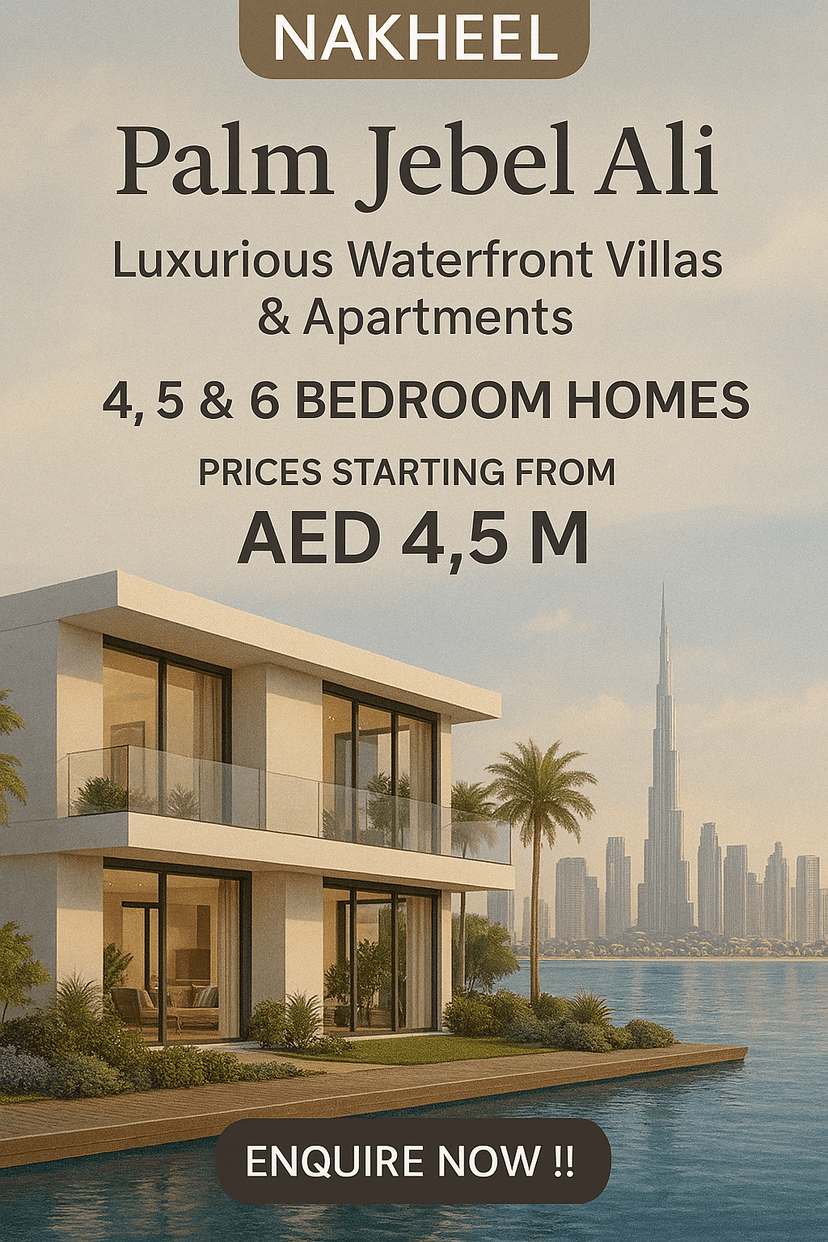


Get the latest property updates.

Prorated rent is the amount you fix to a tenant for the number of days they reside in the unit, based on the monthly rent. The monthly rent is prorated by the day rather than se
2021-12-22
Continue Reading
Have you considered entering the world of real estate investment and are intrigued by the prospect of owning a 2021-12-24
Continue Reading
Renting out your property on your own is sometimes a hassle for the owners. You have to manage listings, have to attend and answer all the calls, and filter the prospects, negot
2022-01-03
Continue Reading
Dubai is one of the most breathtaking destinations in the world which offers you the top-class infrastructure and lifestyle in the metropolis. It portrays an iconic and extravag
2022-06-16
Continue Reading
When it comes to real estate, one of the key aspects that every investor should be mindful of is property valuation. Accurate property valuation not only helps you understand th
2023-09-12
Continue Reading