
High vs Low Floor Apartments in Dubai: Which to Choose?
When choosing your next home in one of Dubai's many high-rise buildings, the decision often goes beyond location, price, or amenities. One surprisingly impactful factor is the floor level—whether you choose to live on a higher or lower floor can significantly affect your lifestyle, comfort, and even safety.
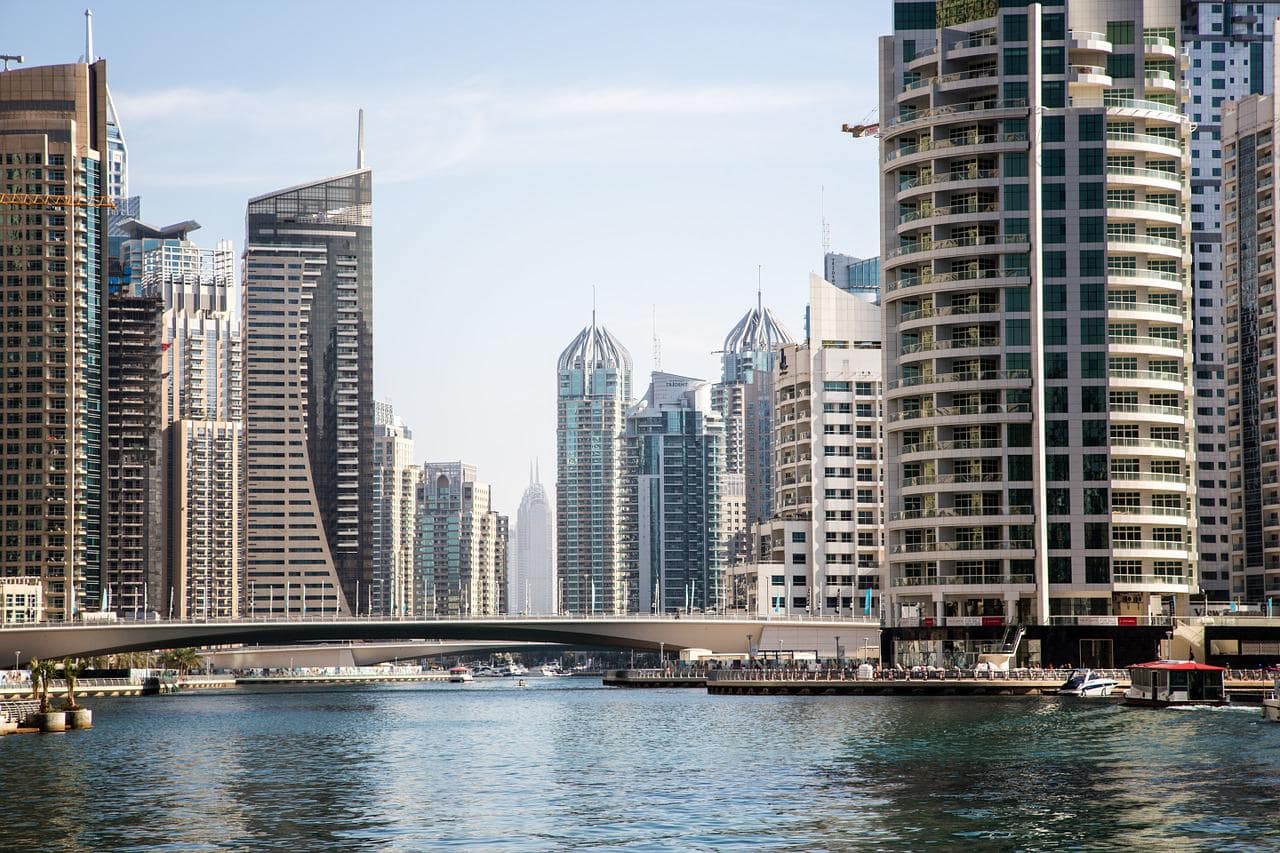
With Dubai’s impressive skyline, dominated by architectural marvels like Burj Khalifa, Burj Azizi (soon to be the world’s second-tallest tower), and residential hotspots like Downtown Dubai, Dubai Marina, Jumeirah Lake Towers, and Palm Jumeirah, this decision becomes even more essential. Should you live closer to the clouds or remain grounded?
Let’s explore the benefits and drawbacks of both options to help you make the most informed decision for your Dubai home.
Why Floor Level Really Matters?
Dubai’s residential scene is uniquely vertical. Many of the city’s most desirable residences are in high-rise buildings that offer luxury amenities, waterfront views, and proximity to central hubs. But even within the same tower, the floor you live on can affect your daily living in numerous ways—think accessibility, sunlight, noise, privacy, cost, and emergency preparedness.
High-Floor Living: Elevated Lifestyle and Panoramic Perks
Advantages
1. A Tranquil and Private Environment
Higher floors offer more privacy and quiet—especially important in busy areas like Business Bay, Al Barsha, or Sheikh Zayed Road. Elevated distance from ground-level activities means less exposure to traffic noise and urban chaos. This added tranquility is ideal for professionals, remote workers, and anyone craving peace after a busy day.
2. Incredible Views
One of the biggest appeals of high-floor living is the uninterrupted panoramic views. Waking up to the sun rising over the Arabian Gulf, or watching Dubai’s skyline light up at night from your balcony, is an experience unique to high-floor apartments. In buildings like The Address Downtown, Princess Tower, or Marina Gate Residences, the upper floors offer breathtaking cityscape and waterfront visuals.
3. Better Ventilation and Sunlight
Apartments on higher floors benefit from superior air circulation and natural light. These units typically receive more breeze and are less affected by obstructed airflow, which is often blocked by surrounding buildings at lower levels. Natural lighting reduces the need for artificial lights during the day and can enhance overall wellness.
4. Reduced Dust and Pollution
Contrary to what some believe, dust concentration is often lower at higher altitudes. Heavier particulate matter tends to settle closer to the ground. While wind may still bring dust occasionally, overall cleanliness improves the higher you go—particularly important in areas close to ongoing construction zones like Dubai Creek Harbour or MBR City.
5. Fewer Pest Problems
Pests such as rodents and insects are ground dwellers by nature. Their food and nesting sources are typically near soil and waste areas, making high-floor residences less susceptible to infestations. Residents in upper levels of towers like Elite Residence or Ocean Heights often report fewer encounters with cockroaches or ants.
Disadvantages
1. Elevator Reliance
Living on the 20th or 30th floor means you're completely dependent on elevators. While most high-rises in Dubai feature fast and well-maintained lifts, breakdowns and peak-time queues can be inconvenient. Residents in towers like DAMAC Heights or The Torch may find stairs impractical for daily use.
2. Emergency Evacuation Challenges
Though rare, emergencies such as fires or power failures require quick evacuation. Descending multiple flights of stairs can be exhausting or even dangerous for children, the elderly, or people with medical conditions. Buildings like Burj Views or Executive Towers follow safety protocols, but physical evacuation from higher floors is still a consideration.
3. Higher Energy Costs
Sunlight is a great benefit until it drives up your cooling costs. Upper-level apartments tend to absorb more direct heat, especially on west-facing sides. This leads to higher DEWA bills during summer. Residences in sunny areas like Jumeirah Beach Residence (JBR) or Downtown Dubai can be affected unless well-insulated.
Low-Floor Living: Convenience and Connectivity
Advantages
1. Easy Accessibility
For families, seniors, or people of determination, low-floor apartments offer effortless access. It’s easier to carry groceries, move furniture, and get in and out without relying on elevators. Buildings in communities like The Greens, Discovery Gardens, or Al Furjan are often designed with this accessibility in mind.
2. Faster Entry and Exit
In high-density residential towers, waiting for elevators can be time-consuming. Low-floor residents enjoy the advantage of quick exits, which is a plus during emergencies or when running late. Communities like Remraam or Dubai Silicon Oasis are known for such practical designs.
3. Lower Rent and Utility Bills
Apartments on lower floors are often more budget-friendly than upper-level units in the same building. They may not offer a skyline view, but they benefit from reduced sunlight exposure, which helps keep cooling costs low. If affordability is your priority, consider ground-floor units in International City, Dubai Sports City, or Al Nahda.
4. No Elevator Needed
Residents on lower floors can avoid elevator usage altogether, which also serves as a subtle way to stay fit—walking up one or two flights daily offers cardiovascular benefits and saves time.
Disadvantages
1. Greater Noise Exposure
Being closer to ground level often means more noise—from passing vehicles, children playing, or nearby commercial outlets. In areas like Karama, Deira, or Al Rigga, this can disrupt rest and productivity unless your building is properly soundproofed.
2. Higher Exposure to Dust and Pollution
Dust particles and pollutants from traffic, waste, and construction sites settle quickly at ground level. Lower-floor units in busy areas may require more frequent cleaning, air purification, and maintenance.
3. Pest Infestation Risk
Lower floors are more vulnerable to rodents and insects. Factors like nearby garbage disposal areas or landscaping attract pests. Residents in low-floor units in Dubai Marina or JLT should consider periodic pest control services.
4. Lack of Premium Views
While lower floors may overlook a garden or community area, they miss out on iconic skyline or waterfront views. For some, the absence of this visual appeal can diminish the perceived value of the apartment.
Popular Residential Towers and Their Appeal by Floor Type
To better understand your options, here’s how some of Dubai’s top residential buildings cater to different floor-level preferences:
What Should You Choose?
Ultimately, choosing between a high or low-floor apartment depends on your lifestyle, budget, and preferences. Here's a quick checklist:
Choose a High Floor If:
You value privacy, tranquility, and impressive views.
You prefer more sunlight and ventilation.
You want fewer problems with pests and dust.
You are okay with elevator dependency and occasional higher cooling bills.
Choose a Low Floor If:
You want convenient access, especially for elderly or differently-abled individuals.
You are budget-conscious and want lower rent or utilities.
You don’t mind ambient noise or more frequent cleaning.
You prioritize fast evacuation and movement.
Final Thoughts
Dubai’s high-rise lifestyle offers both practical and luxurious living, whether you choose to live 30 stories above ground or right above the lobby. Each floor level brings its own advantages and challenges, and your final decision should balance personal needs with environmental factors.
Whether you're planning to move into a trendy duplex in Downtown Dubai, a family-friendly apartment in Mirdif, or a sea-facing unit in Bluewaters Island, knowing what to expect from each floor level will help you make the right choice.
Take the time to visit properties, talk to residents, and evaluate your priorities—because choosing the right floor is not just about height, but about how you want to live your Dubai life
Feature Properties

You Might Also Like
Is It The Right Time to Buy an Apartment
The UAE is one of the most popular destinations for expats and tourists. The country offers a wide range of attractions, such as luxurious hotels, world-class restaurants, and i
2022-07-27
Continue Reading
Why Studio Apartments are a Smart Invest
Being a world-class metropolis, Dubai is well-known for its tall buildings, opulent lifestyle, and vibrant real estate sector. Among the several kinds of real estate that are ac
2025-05-21
Continue Reading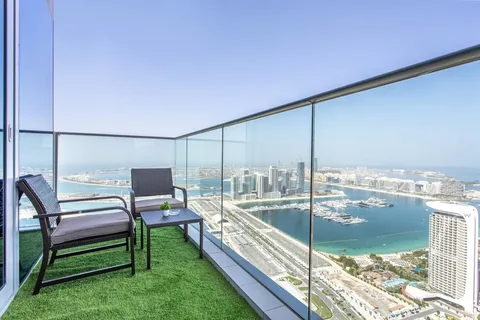
Choosing the Best Floor Level in Dubai H
In a city that stretches vertically as much as it does across the desert skyline, choosing a floor level in high-rise apartments in Dubai is more than a matter
2025-06-13
Continue Reading
Dubai Studio vs 1-Bedroom Apartments: Wh
Dubai’s appeal continues to surge alongside its remarkable population growth. As of 2025, the emirate’s metro area is home to approximately 3.095 million residents, ma
2025-06-16
Continue Reading
Live Smarter: Learn the Benefits of Duba
Buyers and renters alike are increasingly preferring to live in Dubai apartments near metro stations. Such proximity offers unparalleled convenience, granting easy acc
2025-06-18
Continue ReadingStay in the loop Through our newsletter
Get to know about the latest real estate insights.

Popular Searches
Off Plan Projects
Popular Areas
About Us
Popular Searches
Off Plan Projects
Popular Areas
Next Level © 2026 All Right Reserved