
Sheikh Mansour The Billionaire Driving Global Football Dominance and UAE Property Expansion
Sheikh Mansour bin Zayed Al Nahyan is one of the most influential figures in global football and a central pillar of the United Arab Emirates' economic and political landscape.
With a net worth in the tens of billions, ownership of multiple football clubs through City Football Group, and an expansive real estate portfolio, his impact transcends sports. This blog explores his net worth, football empire, real estate ventures, personal life, and the sprawling City Football Group.
Sheikh Mansour bin Zayed Al Nahyan: A Brief Introduction
Sheikh Mansour bin Zayed Al Nahyan is the UAE Deputy Prime Minister, a billionaire investor, and owner of Manchester City Football Club. His investments have reshaped global football, driving success on and off the pitch.
Beyond football, Sheikh Mansour commands significant wealth and influence in real estate and sovereign wealth funds, making him a powerhouse combining sport, business, and politics.
Sheikh Mansour’s Net Worth and Wealth Profile
Sheikh Mansour's net worth as of 2025 is estimated at approximately $30 billion, positioning him among the wealthiest individuals globally. His fortune derives primarily from royal heritage and Abu Dhabi's vast natural resource wealth, alongside diversified investments.
He chairs the Mubadala Investment Company, managing a £250 billion portfolio that underpins Abu Dhabi's economic diversification strategy. His stake in multiple sectors, including energy, real estate, finance, and technology, reflects strategic positioning within the UAE’s vision for sustainable growth.
Aspect | Details |
Estimated Net Worth | $30 billion (2025) |
Family Wealth | Estimated $300 billion (Abu Dhabi ruling family collective) |
Key Role | Chairman, Mubadala Investment Company |
Investment Portfolio | Energy, real estate, finance, technology |
Sheikh Mansour's Real Estate Portfolio and Investments
Sheikh Mansour’s real estate portfolio is a significant and strategic part of his vast wealth and influence. Beyond his global sports empire, he is deeply involved in major property developments domestically within Abu Dhabi and internationally.
His real estate ventures complement his vision of economic diversification and urban development, aligning with the UAE's goals for sustainable growth and global stature
Comprehensive Real Estate Holdings
Sheikh Mansour owns extensive lands and properties in Abu Dhabi, including luxury residential neighborhoods, commercial real estate, and iconic landmarks like the Emirates Palace hotel.
Through Mubadala Investment Company and his investment entity Abu Dhabi United Group (ADUG), he oversees substantial property assets valued in the billions. For example, ADUG alone has investments exceeding £1 billion in Manchester, which includes involvement in residential and commercial property development.

In Abu Dhabi, Mansour’s real estate activities emphasize urban revitalization and infrastructure projects. He has championed initiatives to boost affordable housing, improve community living standards, and expand commercial opportunities, reflecting a blend of luxury development and civic responsibility. His portfolio extends internationally with acquisitions in prime markets across Europe and North America, illustrating a global approach to property investment.
The Dana Project: Abu Dhabi’s Premier Real Estate Development
One of Sheikh Mansour’s landmark projects is the Dana development, launched in 2025. This is a Dh34 billion (approximately $9.25 billion) mega real estate initiative aimed at redefining urban living in Abu Dhabi. Dana comprises 34 interconnected towers that will house a mix of luxury residential apartments, retail outlets, and commercial office spaces designed around a masterplan of sustainability and community integration.
The Dana project is notable for its ambitious scale and innovative features, including:
Mixed-Use Living: Residential apartments complemented by retail, dining, and entertainment venues to create a self-sustaining urban neighborhood.
Sustainability: Incorporation of cutting-edge green building technologies and smart-city infrastructure to minimize environmental impact.
Connectivity: Excellent transportation links with proximity to key Abu Dhabi districts like Reem Island and Yas Island.
Cultural Integration: Spaces allocated for public parks and cultural events, fostering community interaction.
Feature | Description |
Size | 34 interconnected towers |
Components | Residential, retail, commercial, cultural hubs |
Sustainability | Green technologies, smart infrastructure |
Community Engagement | Public parks, event spaces |
Connectivity | Seamless transport links to Abu Dhabi’s key areas |
The project signifies Mansour’s commitment to elevating Abu Dhabi’s global real estate profile while addressing modern urban living needs. The development is expected to contribute thousands of jobs during and post-construction and attract international residents and businesses.
Abu Dhabi United Group’s Role in Real Estate
Abu Dhabi United Group (ADUG), chaired by Sheikh Mansour, operates as a private equity firm with a diversified portfolio including real estate assets that underpin both local and international markets.
The firm has partnered with regional governments and local authorities to pursue urban regeneration projects, particularly around education hubs, commercial zones, and residential communities.
ADUG’s role in Manchester is particularly significant, supporting the city’s eastern regeneration with plans for up to 6,000 new affordable homes over the next decade, emphasizing Mansour’s interest in socially responsible investment alongside luxury developments.
Broader Economic and Social Impacts
Sheikh Mansour leverages his real estate holdings to foster Abu Dhabi’s vision of a diversified economy less dependent on oil.
Projects like Dana align with strategic initiatives under the UAE’s Vision 2030 to boost tourism, business, and residential attractiveness. His development projects are considered vital contributors to Abu Dhabi’s GDP growth and social infrastructure enhancement.
Ownership of Football Teams and City Football Group
Sheikh Mansour’s most visible asset is the City Football Group (CFG), which he fully controls through Newton Investment and Development LLC, a UAE-registered company. CFG's flagship club is Manchester City FC, acquired by Mansour’s Abu Dhabi United Group in 2008 for over £200 million.

Teams Owned Under City Football Group
As of 2025, City Football Group owns or has stakes in 13 football clubs across five continents. These include:
Club | Country | Ownership Stake | Notable Achievements (2025) |
Manchester City | England | 99.93% | 7 Premier League titles, 1 Champions League (2023) |
New York City FC | USA | Full Ownership | MLS Cup contenders |
Melbourne City FC | Australia | Full Ownership | A-League champions |
Mumbai City FC | India | Full Ownership | Indian Super League champions |
Girona FC | Spain | Majority | La Liga mid-table finish |
Troyes AC | France | Majority | Ligue 1 competitors |
Lommel SK | Belgium | Majority | Belgian First Division players |
Montevideo City Torque | Uruguay | Full Ownership | Uruguayan Primera División competitor |
City Football Group Financials (2023-24)
Group revenues reached approximately £837.8 million.
Manchester City alone reported £712.8 million in revenue with £80.4 million in profit.
The group's multi-club model emphasizes shared talent, global scouting, and commercial synergy.
Financial Metric | Amount (£ million) |
Total Group Revenue | 837.8 |
Manchester City Revenue | 712.8 |
Manchester City Profit | 80.4 |
Personal Life and Political Roles
Sheikh Mansour was born on November 20, 1970, into Abu Dhabi's Al Nahyan family. He is the brother of UAE President Sheikh Mohamed bin Zayed Al Nahyan and married to Sheikha Manal bint Mohammed bin Rashid Al Maktoum, daughter of Dubai’s ruler. They have five children, and the family epitomizes the UAE’s intertwined political and economic elite.
Politically, Mansour holds key roles:
Deputy Prime Minister and Vice President of the UAE.
Minister of the Presidential Court and other cabinet positions.
Chairman of the Abu Dhabi National Oil Company and the Central Bank of the UAE.
Impact on Global Football and Sports
Under Sheikh Mansour’s leadership, Manchester City transformed from a middling English club into a European powerhouse, securing multiple Premier League titles and the UEFA Champions League in 2023.
His investment philosophy prioritizes infrastructure: the City Football Academy, Etihad Stadium upgrades, and a globally integrated scouting network drive football success.
Mansour owns multiple sports entities, including:
Football clubs within CFG.
Al Jazira Sports Company in the UAE.
Famous thoroughbred horse breeding farms in France.
His sports portfolio aligns with leveraging soft power and international brand elevation.
Influence and Controversies
Sheikh Mansour’s vast wealth and control have not been without scrutiny. Allegations of “sportswashing” have surfaced, accusing the use of sports ownership for political leverage. He has faced UEFA Financial Fair Play investigations, though Manchester City was cleared in a landmark case.
Despite controversies, his influence extends to humanitarian efforts and the UAE’s vision for economic diversification, illustrating the dual narrative of his public and private roles.
Conclusion
Sheikh Mansour bin Zayed Al Nahyan embodies the fusion of immense wealth, strategic vision, and global influence.
From commanding one of football’s richest conglomerates to spearheading massive real estate ventures and holding pivotal UAE government roles, he shapes sectors far beyond sports. His legacy, marked by transformative investments and political stature, continues to define the UAE's global footprint in 2025 and beyond
Frequently Asked Questions
1) What is Sheikh Mansour’s core investment strategy across sports and real estate?
He follows a long horizon approach that favors infrastructure, data driven operations, and platform scale. In football, he builds multi club synergies and centralized services. In property, he targets master planned districts that combine housing, retail, and civic assets to compound value over time.
2) How does City Football Group under Sheikh Mansour support youth and community football?
CFG runs grassroots clinics, coach education programs, and pathway trials that connect community players to academy systems. Clubs share scouting knowledge and performance resources to raise standards across regions. Facilities investment and school partnerships expand local access to football year round.
3) What are Sheikh Mansour’s philanthropic focus areas outside sport and business?
His giving typically supports education, healthcare, youth development, and community welfare in the UAE and abroad. Initiatives often align with national goals for skills, innovation, and social mobility.
Programs prioritize durable outcomes such as scholarships, clinics, and community facilities.
4) How is governance managed across Sheikh Mansour’s diversified holdings?
Independent boards and executive teams run individual entities with clear compliance frameworks. Football operations are separated from ownership, with legal, finance, and regulatory controls at club and group levels. Real estate vehicles follow formal investment committees, risk policies, and third party audits.
Feature Properties
You Might Also Like

How to Choose Right Agent for your Real
In this fast-paced world, we all need to move at the same speed as this world is moving, and we all know how fast the world is developing and moving towards the era of digitaliz
2022-06-28
Continue Reading
Upcoming Dubai New Properties Launches i
The Dubai property market never fails to impress by bringing out hit projects one after the other. We have passed the mid of 2022 and the market, as expected, is constantly putt
2022-06-23
Continue Reading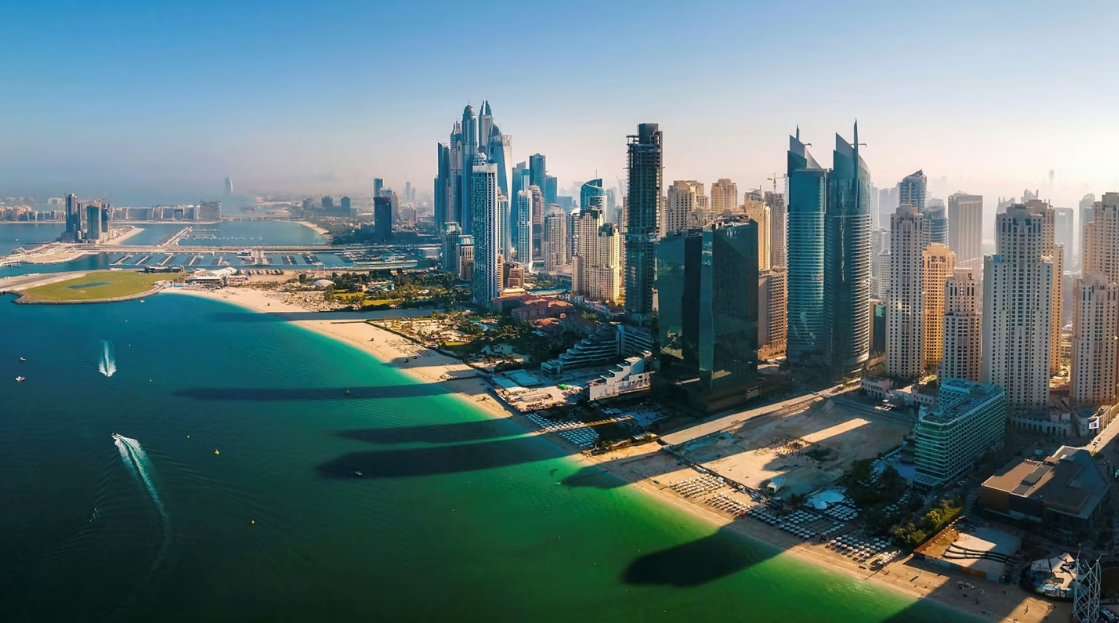
Dubai OFF Plan Properties Hit Big Number
Off plan property sales have increased to AED 4.95 Billion, or USD 1.3 billion across 2599 sales deals. During the pandemic in 2019, off plan property sales decreased significan
2022-06-30
Continue Reading
Apps you Should Try Out as UAE Resident?
We all live in a world where technology is evolving day by day and we are moving towards a luxurious way of living. Dubai is among those cities in the world which offer lavish f
2022-07-20
Continue Reading
Top Emaar Projects that Enhance the Opul
Emaar Properties is a leading developer of integrated communities and properties in the Middle Eas
2022-07-26
Continue ReadingStay in the loop Through our newsletter
Get to know about the latest real estate insights.

Popular Searches
Off Plan Projects
Popular Areas
About Us
Popular Searches
Off Plan Projects
Popular Areas
Next Level © 2026 All Right Reserved