
The Top 10 Richest Women in the Middle East in 2025
The Middle East in 2025 continues to witness an extraordinary rise in female leadership and wealth creation. Women executives, entrepreneurs, and investors are shaping the region’s economic landscape through commanding roles in banking, healthcare, energy, and infrastructure.
Alongside their business empires, they hold significant and often lavish real estate portfolios that bolster their wealth and signify their elite status. This blog profiles the ten richest women in the region, detailing their businesses, wealth statistics, and impressive property holdings.
1. Hana Al Rostamani
Position: Group CEO, First Abu Dhabi Bank (FAB)
Sector: Banking and Finance
Hana Al Rostamani tops the list as the richest woman in the Middle East, headlining the UAE’s premier bank with $334.8 billion in assets. FAB posted $3.5 billion profit in 2024, and Hana ranks #60 on Forbes’ World’s Most Powerful Women. Her leadership directly influences the UAE’s banking landscape.
Statistic | Value |
Bank Assets | $334.8 billion |
Net Profit (2024) | $3.5 billion |
Employees | 11,500+ |
UAE Market Share | 16% |
Forbes Global Rank | #60 |
Real Estate Assets:
Hana owns multiple high-value properties, including sprawling villas in the ultra-exclusive Emirates Hills community in Abu Dhabi, renowned for security and luxury. She also holds penthouse residences in Downtown Dubai, offering panoramic views of iconic landmarks like the Burj Khalifa and Dubai Fountain. These investments affirm her status while securing long-term wealth through prime real estate in top UAE locations.
2. Shaikha Al Bahar
Position: Deputy CEO, National Bank of Kuwait (NBK Group)
Sector: Banking and Finance
With a career spanning over 40 years, Shaikha Al Bahar helms leadership positions at NBK, whose assets approach $70 billion. Her influence extended banking opportunities for women, increasing female leadership by 35% within the bank under her stewardship.
Statistic | Value |
Bank Total Assets | $70 billion |
Market Capitalization | $10 billion |
Net Profit (2024) | $1.1 billion |
Branch Network | 140+ countries |
Female Leadership Growth | 35% increase |
Real Estate Assets:
Shaikha chairs Al Asima Real Estate, a leading developer responsible for Kuwait City’s prestigious Sheikha Complex—luxury residential compounds with panoramic sea views. She personally holds residential compounds and penthouses in upscale neighborhoods, alongside substantial commercial real estate stakes in Kuwait’s central business district, blending personal wealth with professional real estate interests.
3. Shaista Asif
Position: Co-founder & CEO, PureHealth Holding
Sector: Healthcare
Shaista Asif rapidly expands PureHealth’s footprint, managing over 22 state-of-the-art clinics and hospitals across the GCC. The company’s revenues grew at 18% CAGR between 2021 and 2024, reflecting strong market demand.
Statistic | Value |
Facilities Operated | 22 clinics & hospitals |
Geographic Reach | UAE, Saudi Arabia, Bahrain |
Revenue CAGR | 18% |
Patient Volume Increase | 25% YoY |
Real Estate Assets:
Besides professional holdings in healthcare real estate in Dubai and Abu Dhabi, Shaista owns luxury residences in prime UAE locations. Her investments are strategically oriented to combine property value growth with service delivery excellence.
4. Wadha Ahmad Al-Khateeb
Position: CEO, Kuwait National Petroleum Company (KNPC)
Sector: Energy
Wadha heads KNPC, generating $5.2 billion in annual revenue with refining capacity of 630,000 barrels per day. Her sector dominance translates into both corporate and personal wealth.
Statistic | Value |
KNPC Annual Revenue | $5.2 billion |
Refining Capacity | 630,000 barrels/day |
Market Share in Kuwait Oil | 65% |
Petrochemical Portfolio | 15% of KNPC Holdings |
Real Estate Assets:
Wadha’s family owns extensive estates in Kuwait’s affluent areas alongside commercial real estate critical to petroleum operations. Her portfolio balances emotional heritage properties with income-generating commercial assets.
5. Dana Nasser Al Sabah
Position: CEO, Kuwait Projects Company (KIPCO)
Sector: Diversified Holdings
Dana manages $34 billion in assets under KIPCO, boasting 9.5% annual revenue growth. Her portfolio spans banking, telecom, real estate, and hospitality investments.
Statistic | Value |
KIPCO Total Assets | $34 billion |
Revenue Growth | 9.5% CAGR |
Real Estate Holdings Value | $2.5 billion |
Sector Diversification | High |
Real Estate Assets:
Her properties include ultra-luxury villas, residential towers in Kuwait and the UAE, and premier commercial real estate, including hotels and retail complexes. Dana’s property strategy reflects geographic breadth and sectoral diversity.
6. Randa Sadik
Position: CEO, Arab Bank
Sector: Banking
Randa leads Arab Bank with $28 billion in assets. The bank shows steady loan growth of 8% annually and a 5% yearly customer expansion.
Statistic | Value |
Bank Assets | $28 billion |
Geographic Market | Jordan, Lebanon, Palestine |
Loan Portfolio Growth | 8% annual |
Customer Base Growth | 5% year-over-year |
Real Estate Assets:
Her portfolio includes opulent villas and luxury apartments in Amman. Randa also owns commercial leasing spaces that generate stable rental income, well integrated with her banking leadership.
7. Sarah Al-Suhaimi
Position: Chairperson, Saudi Tadawul Group
Sector: Financial Markets
Sarah oversees $2.5 billion in assets and led Tadawul to post $133.6 million profit in 2024. She is the first woman chairperson of Saudi Arabia’s stock exchange.
Statistic | Value |
Assets Under Management | $2.5 billion |
Annual Profit (2024) | $133.6 million |
Saudi Market Capitalization | $10 trillion |
Listed Companies | 200+ |
Real Estate Assets:
Sarah owns large villas and ultra-modern penthouses in Riyadh and Jeddah’s most exclusive neighborhoods. Her residences are valued in the multi-million-dollar range, symbolizing her financial prominence.
8. Tayba Al Hashemi
Position: CEO, ADNOC Offshore
Sector: Oil & Gas Development
Tayba manages offshore operations contributing approximately $4 billion in annual revenue with ADNOC’s offshore oil production accounting for 30% of total exports.
Statistic | Value |
Annual Offshore Revenue | $4 billion |
ADNOC Offshore Market Share | 30% |
Export Capacity | 800,000 barrels per day |
Real Estate Assets:
Tayba’s high-end assets include waterfront mansions in Abu Dhabi and luxurious penthouses in Dubai Marina. These waterfront properties represent both lifestyle prestige and valuable real estate assets tied to the energy capital.
9. Alisha Moopen
Position: Managing Director & CEO, Aster DM Healthcare GCC
Sector: Healthcare
Alisha presides over 30+ healthcare facilities with 12% compound revenue growth. Her operations span the Middle East and India.
Statistic | Value |
Healthcare Facilities | 30+ |
Revenue CAGR | 12% |
Market Reach | Middle East & India |
Real Estate Assets:
Her healthcare campuses include hospitals and clinics with extensive real estate footprints. Additionally, she owns ultra-luxurious residences both in Dubai and in Kerala, India, reflecting a personalized blend of regional real estate.
10. Suzanne Al Anani
Position: Chairperson, Dubai Aviation Engineering Projects (DAEP)
Sector: Infrastructure Development
Suzanne manages airport infrastructure projects valued at $1.5 billion annually, significantly boosting Dubai’s aviation capacity.
Statistic | Value |
Project Value | $1.5 billion |
Dubai Airport Capacity | 80 million passengers/year |
Annual Growth Rate | 7% |
Real Estate Assets:
Suzanne owns commercial properties near key infrastructure zones in Dubai, alongside upscale villas in gated communities, leveraging her infrastructure leadership into tangible realty wealth.
Conclusion
The Middle East’s top 10 richest women in 2025 exemplify how leadership across economic sectors, combined with astute real estate investments, creates enduring wealth.
From commanding major banks and healthcare empires to managing energy and infrastructure ventures, these women’s expansive property portfolios—ranging from luxury residences to commercial and healthcare real estate—mirror their high socioeconomic status and strategic wealth preservation. Their success underscores a shifting paradigm, inspiring future women business leaders and investors in the region and worldwide.
Frequently Asked Questions
1) What challenges do women face when building wealth and leadership roles in the Middle East?
Despite remarkable progress, women in the Middle East often encounter cultural, legal, and societal barriers that slow advancement into senior leadership. Limited access to funding, mentorship gaps, and balancing traditional family roles remain major challenges. Government reforms and targeted diversity initiatives are helping bridge these gaps by promoting gender equality and entrepreneurship.
2) How are women entrepreneurs influencing the Middle East’s economic diversification?
Women-led startups are driving innovation across sectors like fintech, health tech, education, and e-commerce, helping Gulf economies shift beyond oil dependency. Female entrepreneurs bring deep local insights, creating tailored products and services that meet specific market needs. Governments and financial institutions increasingly support women-led ventures with accelerators, grants, and inclusive policies.
3) What role do female leaders play in advancing gender diversity in corporate governance?
Top women executives in the Middle East actively champion inclusion initiatives, set gender diversity targets, and mentor emerging female talent. Their leadership demonstrates the business benefits of gender balance, such as improved innovation and profitability, encouraging firms to embed diversity as a strategic priority rather than mere compliance.
4) How significant is government support for women’s economic participation in the region?
Government policies such as Saudi Vision 2030 and the UAE’s National Strategy for Empowerment of Women have been pivotal in increasing female workforce participation and entrepreneurship. Legal reforms mandating equal pay, anti-discrimination laws, and gender-balanced boards are helping create a more enabling environment for women’s economic success, fostering sustainable growth.
Feature Properties
You Might Also Like

How to Choose Right Agent for your Real
In this fast-paced world, we all need to move at the same speed as this world is moving, and we all know how fast the world is developing and moving towards the era of digitaliz
2022-06-28
Continue Reading
Upcoming Dubai New Properties Launches i
The Dubai property market never fails to impress by bringing out hit projects one after the other. We have passed the mid of 2022 and the market, as expected, is constantly putt
2022-06-23
Continue Reading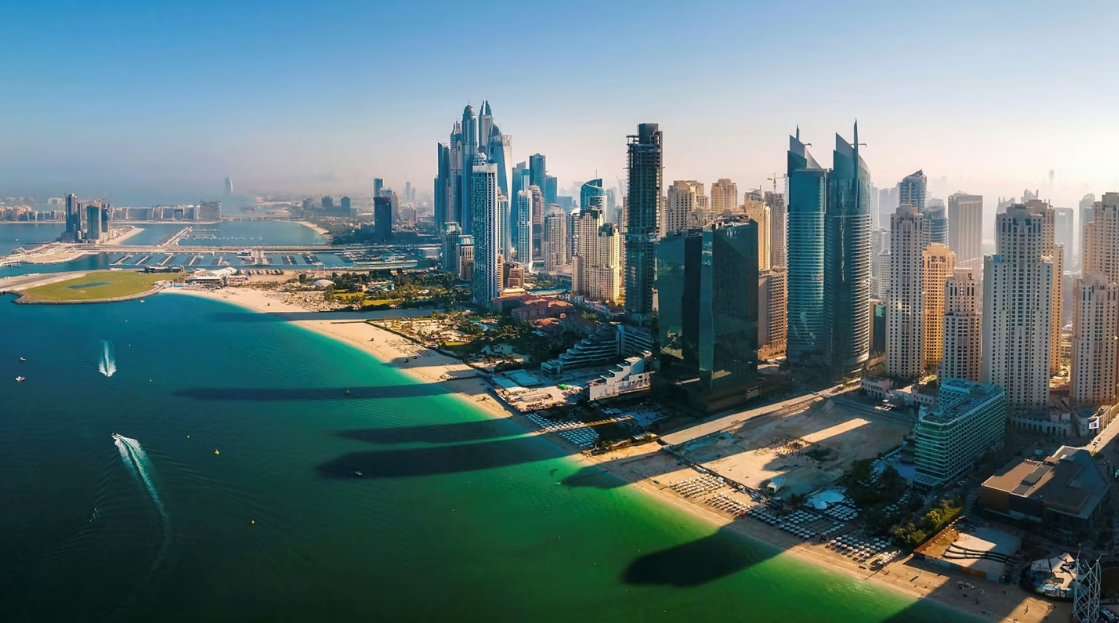
Dubai OFF Plan Properties Hit Big Number
Off plan property sales have increased to AED 4.95 Billion, or USD 1.3 billion across 2599 sales deals. During the pandemic in 2019, off plan property sales decreased significan
2022-06-30
Continue Reading
Apps you Should Try Out as UAE Resident?
We all live in a world where technology is evolving day by day and we are moving towards a luxurious way of living. Dubai is among those cities in the world which offer lavish f
2022-07-20
Continue Reading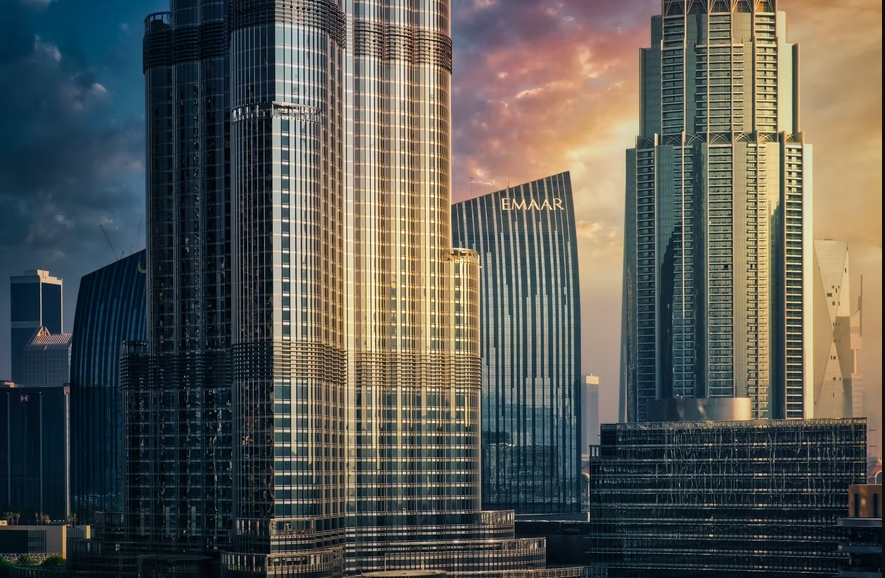
Top Emaar Projects that Enhance the Opul
Emaar Properties is a leading developer of integrated communities and properties in the Middle Eas
2022-07-26
Continue ReadingStay in the loop Through our newsletter
Get to know about the latest real estate insights.

Popular Searches
Off Plan Projects
Popular Areas
About Us
Popular Searches
Off Plan Projects
Popular Areas
Next Level © 2026 All Right Reserved