
Why are Larger Villas (3+ Bedrooms) Seeing Rising Demand Across Dubai’s Established Neighbourhoods
Space, privacy, and community have become the gold standard in Dubai’s villa market. In established neighbourhoods, larger villas—those with three or more bedrooms—are attracting intense interest.
Families, professionals, and investors are all gravitating toward homes that offer more than mere four walls: they want zones for work, zones for family, zones for downtime. At the same time, Dubai’s evolving lifestyle dynamics—remote/hybrid work, multi-generational living, schooling demands, and long-stay resident trends—are reshaping buyer preferences.
Data shows that villa values and rents in mature villa districts are rising faster than apartments, and supply remains constrained. In essence, the trend is real, sustained and rooted not just in hype but in lifestyle shifts and measurable market behaviours.
The Demand Side Story
Family dynamics and lifestyle shifts
Larger villas increasingly appeal to households that prioritise space and segmentation. In built-up villa communities, homes offer three or more bedrooms plus additional guest/office rooms, gardens or terraces, and sometimes separate help quarters. Families with children often choose these homes because they deliver room to breathe and grow.
Meanwhile, hybrid working means many need a dedicated study or workspace; that pushes buyers toward bigger layouts. Plus, multi-generational setups (parents, children, grandparents) prefer villas that can accommodate privacy and shared living without sacrificing comfort. In sum: the lifestyle equation has shifted toward space, flexibility and longevity.
End-users versus investors
One big change in Dubai is the tilt from short-term speculative buying toward real end-users who intend to live for several years. That means buyers are more particular about community infrastructure, schooling access, commute times, and lifestyle fit rather than purely flip-profit potential.
Because of that, larger villas in established neighbourhoods show stronger resilience and more consistent demand. Analysts note that while some segments face oversupply risks, the villa segment remains relatively undersupplied.
For example, a recent article pointed out that although 150,000 new homes might hit Dubai by 2026, only ~20% will be villas/townhouses, making the supply-demand equation for villas much tighter.
Global mobility & lifestyle anchoring Dubai’s global appeal remains a key driver. The city offers tax incentives, warm weather, dynamic infrastructure, a luxury lifestyle and a strategic geographic position. High-net-worth individuals (HNWIs) and long-stay expatriates see villas as lifestyle assets, not just investments. Prime villa communities like Emirates Hills or Palm Jumeirah attract global buyers who value exclusivity, privacy and landmark addresses. As noted in luxury villa reports, properties in those areas have seen over 40% growth.The implication: villa demand isn’t solely local; it’s global, and that depth matters for established communities. Here comes the data: what the numbers tell us about the strength of larger villas in mature Dubai neighbourhoods. Recent market reports illustrate how villa values and demand are evolving. For example:Supply, Pricing and Performance Metrics
Key performance figures
Related: Best Villas Communities in Dubai 2025
Villa segment metrics snapshot
Here’s a table summarising important villa market metrics (large homes, three+ bedrooms / mature communities) in Dubai:
Why Established Neighbourhoods Win
When we talk about “established neighbourhoods” in Dubai, we mean those built-out or near-complete communities with mature infrastructure, schools, parks, amenities, and a track record. Here’s why they beat newer zones when it comes to demand for larger villas. Infrastructure maturity In mature villa communities, you already have what matters: good roads, proven school catchments, grocery/shopping access, parks, community centres and transport links. Buyers in 3+ bedroom villas often base decisions not just on the house but on lifestyle and community. It’s easier to visualise living in a neighbourhood that is already functioning than in a half-built area with future promise. Related: Top 10 Dubai Islands for Luxury Living and Real Estate Investment
Proven resale and liquidity
A mature neighbourhood has recent comparable transactions, giving buyers greater price transparency. Resale villas in these zones show stronger liquidity because there is existing demand from families wanting an upgrade or relocation.
For instance, Emirates Living’s sub-markets show consistent transaction volumes (760-800 annual deals) over four years.That kind of track record supports buyer confidence.
Amenity depth and lifestyle appeal These mature zones offer green belts, clubhouses, lakes, parks, golf courses and community networks. Buyers of larger homes place value on these extras because they serve family living, guest hosting, and lifestyle. Communities like Dubai Islands, Arabian Ranches, Emirates Living, Damac Islands Phase 2 and Jumeirah Park tick those boxes. The fact that they are tried and tested adds further appeal. Prestige and scarcity In established pockets, the ready stock of quality 3+ bedroom villas is limited. This scarcity drives value. For example, luxury homes in Palm Jumeirah and Emirates Hills commanded a premium growth of over 40%. Buying in an established neighbourhood gives you immediate lifestyle access and investment pick-up rather than waiting for infrastructure to be completed. Emirates Living (Meadows / Springs / Lakes) Transaction volumes in the district remain steady (~371 deals in H1 2025) despite high price levels. Families value the schooling access, parks and community setting. Arabian Ranches & Ranches 2/3 A master-planned villa district with strong segmentation (3-4 bed villas, 5-6 bed luxury villas) and strong upgrade pathways. Because of its family orientation and mature infrastructure, larger villas remain in demand here. It might not have the ultra-luxury premium of Palm Jumeirah, but it offers excellent value and durability. Palm Jumeirah & Jumeirah Islands This is the premium, trophy segment of larger homes. 5-bed and above villas here are commanding elite pricing. As noted, the average transaction value for villa/townhouse reached AED 8.7 million overall, with deals in Palm topping AED 35–40 million in some cases. For buyers seeking prestige and long-term value, this zone remains high on the list, albeit at a higher entry point. Dubai Hills Estate Although relatively newer compared to Emirates Living, Dubai Hills Estate has matured rapidly and is seen as “established” for today’s demand. The combination of large villa options, park/golf views, mall proximity and central connectivity makes it attractive for larger-home seekers. The result: rising price levels and rental demand. The limited supply of ready stock enhances the case. No market is without caution flags. Here are the risks and what they mean for larger villas in established Dubai neighbourhoods. Supply growth & pipeline risk Although villa supply is a smaller proportion, the forthcoming pipeline still matters. For example, the 19,700 new villas slated for 2025 may add competition in less premium segments. If new projects target 3-bed or 4-bed villas in less established tropical zones, they may apply pressure on older stock unless buyer preferences favour location over novelty. Macro & interest rate headwinds Location vs size trade-off Larger villas in less desirable locations may not perform at the same level as smaller villas in top communities. Buyer demand strongly correlates with community quality, schooling, infrastructure and perceived prestige. A 4-bed villa in an outer area may face weak demand relative to a 3-bed in an established zone. Running and holding costs Larger homes come with higher service charges, maintenance, landscaping, utilities and depreciation risk. Buyers must factor the cost of ownership over time, not just the price of purchase. Exit liquidity & timing While demand is strong, selling larger villas often takes longer than selling apartments simply due to higher price points and smaller buyer pools. For investment buyers, exit planning is important, and liquidity in the ultra-lux segment may vary. Define your horizon & usage Decide whether you’re buying to live (end-user) or to rent/invest. End-users may value lifestyle more than yield; investors focus on rental return, appreciation and exit. Larger villas often serve a hybrid: living now, renting later or vice-versa. Prioritise neighbourhood quality over novelty Compare value per square foot metrics If rental is part of your strategy, check typical annual rent for similar villas in that community, occupancy levels, tenant profile (families, corporates) and service charge levels. A large villa with high rent may still underperform if vacancy and costs are high. Factor total cost of ownership Large homes mean higher ongoing costs: landscaping, pool maintenance, utilities, and refurbishment reserves. Build these into your cash-flow model. Location, plus size, plus condition matter. Given a higher price and a smaller buyer pool, plan for medium to longer-term hold (5–10 years) and avoid high-risk short-term flipping unless you have strong value upside and liquidity. For many buyers, these villas make sense as lifestyle homes first, investment second. Looking ahead, the demand for larger villas in Dubai’s established neighbourhoods seems structurally sound. Demand drivers remain intact Supply constraints will support value Although pipeline figures may look significant, the share of villas among new supply remains modest, estimated at ~20%.Moreover, the easier turnover of apartments and ready supply of smaller units means large villas in established communities face less direct competition. Price and rental growth outlook Given the current momentum, villa values in established areas have room for further growth, especially in quality segments. Some risks (e.g., macro, supply) exist, but the upside remains more visible than the downside in these segments. Indeed, one report suggested villa prices could grow by another ~20% if conditions remain stable.Rental markets also remain tight for larger homes, supporting total return. Buyer behaviour shifting Buyers increasingly act with a long-term horizon. They choose stability and lifestyle over speculative gain. That behaviour supports community living and larger-home demand rather than purely short-term speculative moves. So, to wrap: the surge in demand for larger villas (three bedrooms and beyond) in Dubai’s established neighbourhoods isn’t hype—it reflects real, substantial shifts in how people live, work and invest. Mature communities with completed infrastructure deliver the right blueprint for family living, lifestyle quality and long-term value. With supply constraints, global interest and strong rental demand aligning, three-bedroom-plus villas hold up well. Yes, risks exist—rising supply, macro factors, cost burdens—but when you buy right in the right place, the upside appears very compelling. If you’re chasing both lifestyle and investment value, choosing a larger villa in a proven Dubai neighbourhood is a smart move. FAQs Q1: What share of new housing units in Dubai by 2026 will be villas/townhouses rather than apartments? Approximately 20% of the new homes projected to hit Dubai’s market by 2026 will be villas or townhouses, meaning the large-home segment remains much smaller than apartments and thus less exposed to oversupply risk. Q2: What was the average transaction price for villas/townhouses in Dubai in the first nine months of 2025? The average transaction price for villas/townhouses in Dubai reached AED 8.7 million in the first nine months of 2025, marking a notable 21% year-on-year increase. Q3: What average price per square foot did prime villa communities like Emirates Living record in H1 2025? In H1 2025, prime sub-markets such as Emirates Living recorded average prices of around Dh 2,455 per square foot overall, while top segments reached approx. Dh 4,929 per square foot. Q4: How many new villas were expected to be completed in Dubai by the end of 2025? About 19,700 new villas were projected to be completed in Dubai by the end of 2025, a figure that suggests supply growth but also highlights how ready stock in mature communities remains limited. Q5: What is a realistic annual growth figure for villa capital values in mature Dubai neighbourhoods? Recent reports show villa capital values rising by around 25-30% year-on-year in strong mature markets—e.g., ~28.7% growth reported from June 2024 to June 2025. Community Snapshots & Micro-Insights
Let’s zoom into 3-4 established villa districts and see what’s going on. These examples illustrate where demand is focused for larger properties.
This is a long-standing, family-oriented villa destination. According to data, the average price per square foot in H1 2025 was Dh2,455 across the district. In The Lakes sub-market, 5-bedroom villas averaged Dh4,831 per sq ft.Risks & Moderating Factors
Global economic uncertainty, rising interest rates, or regional shocks could temper price growth or demand inflows. Buyers with leveraged exposures or short-term horizons may feel the pinch. While villa markets are more resilient, they are not immune.Strategic Playbook for Buyers or Investors
If you’re considering a three-bedroom-plus villa in an established Dubai neighbourhood, here’s a refined strategy informed by current data and market forces.
Choose established districts with completed infrastructure, strong schools, amenities and resale track record rather than speculative future zones. That supports lifestyle now and value later.
Use recent comparables in your target area. A good negotiation is informed by what similar three or four-bed villas fetched recently. For example, H1 2025 average psf in Emirates Living was Dh2,455.If a property is priced significantly above that, ensure there’s justification (e.g., waterfront, refurbishment, large plot).Understand the rental market and yield potential
Exit planning and timing
What This Means for the Market Going Forward
Conclusion
Related:
Upcoming Coastal Sanctuary at Naia Island Near Burj-Al-Arab by Shamal Holdings
Top Places to Invest: Best Residential Areas Near Disneyland Abu Dhabi
Dubai Property Launches October 2025: Investment Hotspots & Projects to Watch
Feature Properties
You Might Also Like

How to Calculate Prorated Rent?
Prorated rent is the amount you fix to a tenant for the number of days they reside in the unit, based on the monthly rent. The monthly rent is prorated by the day rather than se
2021-12-22
Continue Reading
What Are the Benefits of Owning a Rental
Have you considered entering the world of real estate investment and are intrigued by the prospect of owning a 2021-12-24
Continue Reading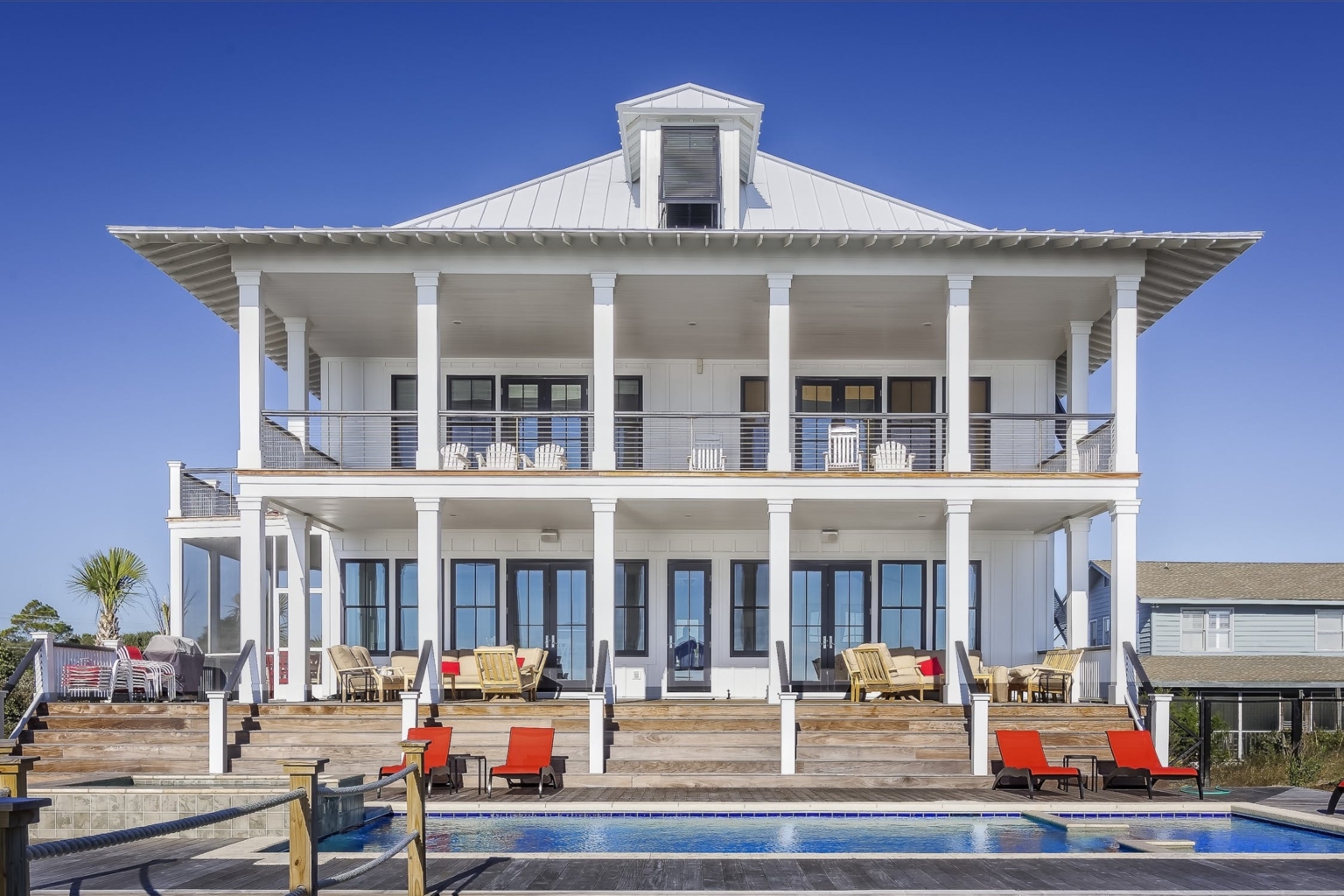
How Can Next Level Real Estate Get Your
Renting out your property on your own is sometimes a hassle for the owners. You have to manage listings, have to attend and answer all the calls, and filter the prospects, negot
2022-01-03
Continue Reading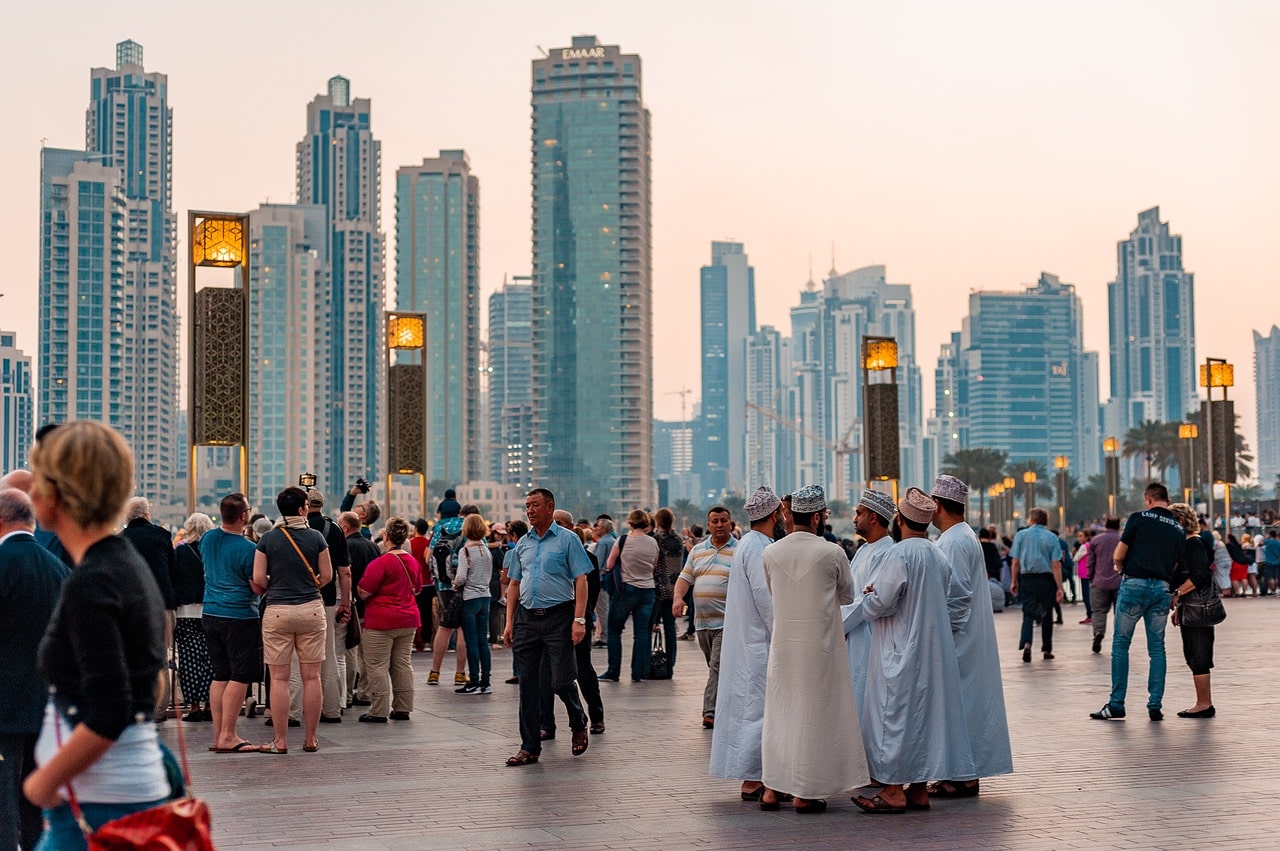
What Factors Have Led to Dubai's Economi
Dubai is one of the most breathtaking destinations in the world which offers you the top-class infrastructure and lifestyle in the metropolis. It portrays an iconic and extravag
2022-06-16
Continue Reading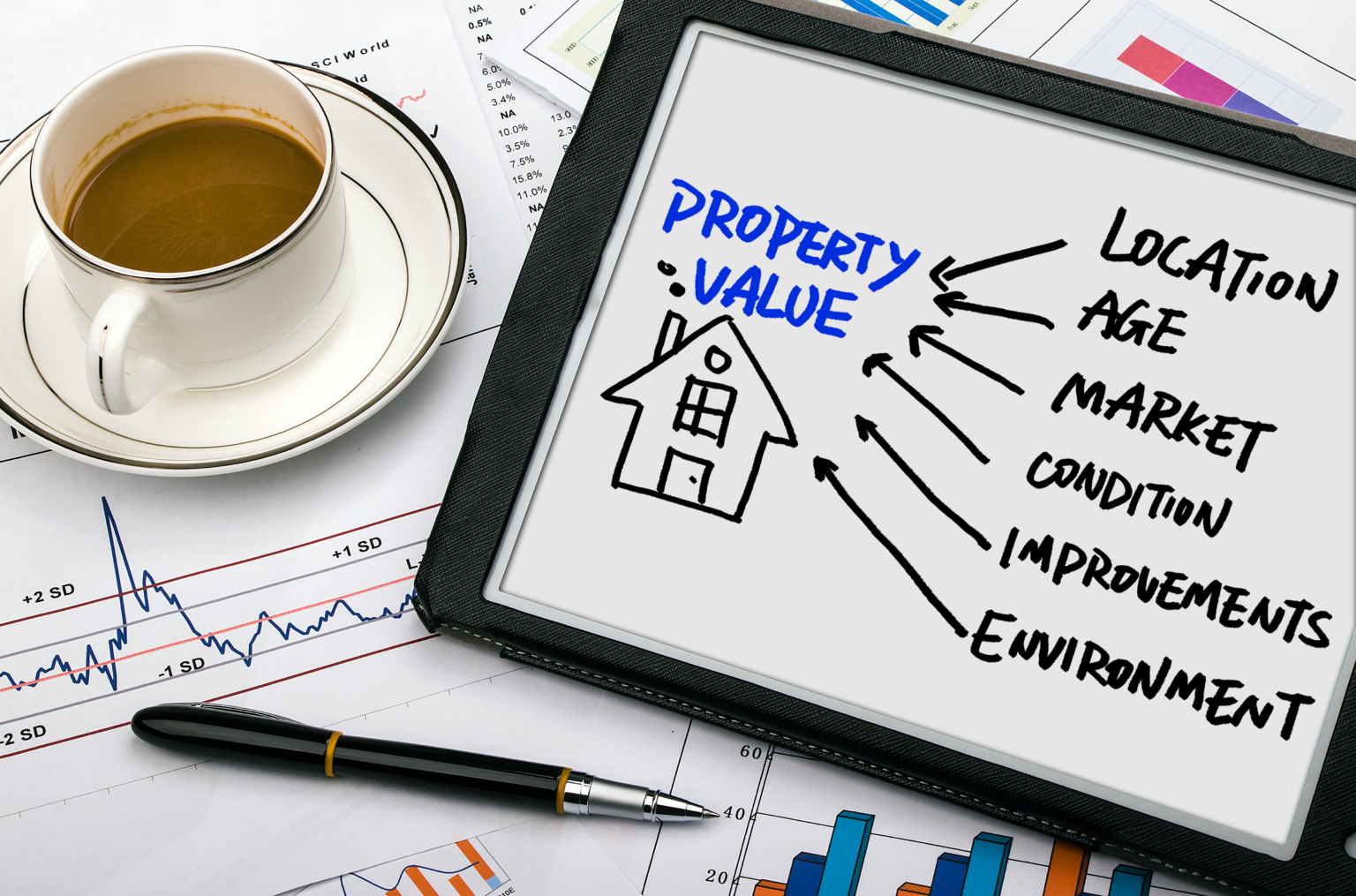
10 Tips for Getting the Best Property Va
When it comes to real estate, one of the key aspects that every investor should be mindful of is property valuation. Accurate property valuation not only helps you understand th
2023-09-12
Continue ReadingStay in the loop Through our newsletter
Get to know about the latest real estate insights.

Popular Searches
Off Plan Projects
Popular Areas
About Us
Popular Searches
Off Plan Projects
Popular Areas
Next Level © 2026 All Right Reserved