
Why You Should Invest in Ras Al Khaimah: Hydrogen Strategy Sparks Real Estate Growth
Ras Al Khaimah stands in that sweet spot where policy meets profit. The emirate pursues clean-energy goals while property values rise and new businesses pour in. You get momentum on both sides.
The UAE’s national hydrogen plan sets the tone. RAK’s own energy strategy drives execution at the city level. Developers follow the policy signals. Hospitality, logistics, and manufacturing follow the developers.
Residents follow the jobs. That chain feels simple when you break it down. This guide maps the energy-to-real-estate link, shows the data behind the hype, and explains where investors can still get in early without losing sleep over fundamentals. Buckle up, because RAK’s runway looks long.
The Big Picture: Hydrogen Policy → Investment Confidence
Hydrogen sits at the center of the UAE’s decarbonization playbook. The national strategy targets large-scale low-emission hydrogen production this decade and expands output through 2050. That roadmap de-risks private capital because it telegraphs demand, infrastructure, and regulatory support. RAK aligns with this national direction and embeds it inside its own Energy Efficiency and Renewables Strategy 2040, which sets hard targets for energy savings and renewable uptake across buildings, transport, and industry. Policies do not sell apartments by themselves. They do unlock capex, projects, and jobs that lift demand for homes, offices, and hospitality assets. RAK’s Energy Efficiency & Renewables Strategy pursues tangible outcomes. The program seeks at least 30% electricity savings, 20% water savings, and a 20% renewable contribution by 2040. Those goals push upgrades in buildings and public services. They also push cleaner fleets and grid improvements. The latest annual reporting from the RAK Municipality’s REEM program documents progress and keeps stakeholders honest about timelines and metrics. That governance piece matters for investors who want policy execution, not press releases. A recent policy paper on “Embarking the Hydrogen Journey in RAK” outlines how hydrogen and electrification will reshape mobility over time. RAK’s Green Mobility Strategy targets significant electrification of public fleets by 2030, with full transition by mid-century. Clean mobility improves air quality, cuts operating costs, and supports new industrial clusters that serve vehicles, storage, and fueling. Homes close to these corridors gain convenience value. Industrial and logistics plots near new energy hubs capture tenant demand. Policy creates predictable nodes of activity. Investors position ahead of those nodes and ride the appreciation. Data already shows a market in motion. In H1 2025, RAK’s ValuStrat Price Index climbed 13.8% year-on-year. Villa values rose 15%, and apartment values gained 13.2%. Communities like Mina Al Arab recorded standout growth, proving that buyer demand extends beyond a single micro-market. These gains do not look like a flash in the pan. They reflect stronger fundamentals and a broadening investor base. CBRE’s 2025 review paints the same picture with even stronger early-year momentum. Residential prices surged 39% year-on-year in Q1 2025, driven by luxury and branded stock on Al Marjan Island. Off-plan sales topped AED 2.4 billion, and branded residences could represent a quarter of future supply. Those signals show confidence from both developers and buyers. The Wynn Al Marjan Island integrated resort, under construction on Al Marjan, acts as a macro catalyst. The project sits at approximately $3.9 billion and targets an early-2027 opening. It brings a large room count, world-class amenities, and significant entertainment value. It also introduces regulated gaming under a new national framework. You do not need to like casinos to understand the economic math. Footfall drives F&B, retail, and second-home demand. Jobs drive rental demand. Brand heat drives international attention. That knock-on demand supports both capital values and yields in nearby projects. Energy policy becomes property value through practical channels. Watch these: Industrial and logistics plots near future hydrogen and storage infrastructure. Tenants need proximity. Landlords gain sticky occupancy. Residential clusters serving new mobility corridors. Better commutes attract families and young professionals. Hospitality and leisure assets capturing tourism flows tied to branded mega-projects and green-mobility access. Office and R&D spaces for cleantech, engineering, and services that support energy and mobility. Al Marjan benefits from the Wynn effect and premium waterfront positioning. CBRE flags strong off-plan absorption and branded supply. Mina Al Arab posts notable price gains according to ValuStrat, reflecting steady end-user appeal and rising investor interest. Al Hamra continues to trade on lifestyle, golf, and marina living. If you prefer stabilized communities with mature amenities, you should look at Mina Al Arab and Al Hamra. If you want appreciation torque tied to a tourism shock, you watch Al Marjan. RAK’s apartment yields remain competitive versus more mature UAE sub-markets, helped by lower entry prices and expanding tenant pools. Branded hospitality nearby feeds short-stay demand, which supports investors who run licensed holiday homes through professional operators. Meanwhile, the corporate influx from RAKEZ adds steady mid-term tenants. That mix produces a healthy risk-adjusted profile for buy-to-let investors who prioritize net yield and occupancy. Pair an Al Marjan off-plan allocation with a rented unit in Mina Al Arab or Al Hamra. The first captures price momentum into 2027. The second carries the portfolio with a stable yield and low vacancy. Follow REEM updates and the hydrogen-mobility roadmap. Look for announcements on fleet transitions, charging and fueling hubs, and public-transport upgrades. Buy near service nodes and transfer points that improve real commuter time. Branded stock on Al Marjan drives outsize demand. You still run the numbers on premiums, service charges, and resale liquidity. Focus on tier-one operators and floor plans with wide end-user appeal. RAKEZ continues to onboard new companies. Consider small office and flex industrial units that serve suppliers, e-commerce, and service firms. Favor locations with fast access to arterial roads and seaports. Hydrogen and tourism stories win headlines. Operations win returns. Budget for property management, STR licensing if applicable, and preventive maintenance on coastal assets. Choose communities with strong facility management and mature strata governance. Supply timing risk. Developers may launch aggressively into demand spikes. Vet delivery schedules and construction liquidity. Spread exposure across projects and handover dates. Policy execution risk. Hydrogen and mobility targets require coordination. Anchor positions in already-advancing corridors. Keep a smaller satellite bet in emerging zones until milestones lock. Macro cross-currents. Dubai’s market faces possible corrections as fresh supply hits. RAK benefits from lower base prices and new drivers, yet regional sentiment can spill over. Maintain buffers and avoid over-leveraging. First-time UAE investors who want growth with accessible ticket sizes and a respectable yield. Seasoned Dubai owners who want diversification into a market with new catalysts and less froth. Income investors who prioritize occupancy and mid-term tenants from RAKEZ’s growing firm base. Vision-led buyers who want to hold prime waterfront stock before 2027, the tourism effects are fully priced. Due Diligence Checklist Developer strength. Track record, escrow compliance, and construction progress. Community services. Facility management quality, beach access, and parking ratios. Transport access. Commute time to Dubai, airport proximity, and future mobility upgrades. Operating math. Net yields after service charges, FM fees, STR licenses, and realistic occupancy. Exit optionality. Resale comps, mortgageability, and buyer pool depth across nationalities. Hydrogen policy encourages new industrial capacity, R&D, and logistics. Clean fleets lower transport costs over time. Energy-efficient buildings cut operating expenses and attract tenants who measure carbon footprints. Those fundamentals compound. Real estate values follow consistent demand, lower OPEX, and prestige branding from mega-projects and sustainability credentials. In RAK, those threads converge. You are not betting on a single resort or a single neighborhood. You are aligning with a coordinated plan that spans energy, mobility, tourism, and enterprise formation. Secure a waterfront one-bed in a stabilized community for reliable rent and lower seasonal swings. Add an off-plan two-bed on Al Marjan with handover near or just after the Wynn opening timeline. Evaluate a small warehouse or flex unit serving e-commerce and hospitality supply chains. Use professional STR management if you target short-stay demand near beaches and entertainment. Re-underwrite yearly as mobility, hydrogen, and RAKEZ data update your assumptions. Conclusion Ras Al Khaimah looks like a market where policy, projects, and people align. The UAE’s hydrogen strategy sets the national vision. RAK’s execution through the 2040 energy plan turns vision into infrastructure and mobility. The Wynn resort brings global attention and tourism spending. RAKEZ expands the job base. Price data confirms the trend, while off-plan absorption shows conviction from developers and buyers. You can enter at accessible price points, diversify away from overheated pockets, and still ride real catalysts with long horizons. That mix makes RAK one of the GCC’s most compelling real-estate stories right now. FAQs 1) How does the UAE’s hydrogen strategy affect RAK property values? The national hydrogen roadmap signals long-term investment into clean energy and mobility. RAK aligns its 2040 plan with these goals. That alignment draws businesses, improves infrastructure, and supports steady housing demand near growth corridors and job centers. 2) Which RAK areas show the strongest momentum for investors? Al Marjan Island benefits from the Wynn catalyst and branded inventory. Mina Al Arab and Al Hamra provide mature amenities and resilient occupancy. Data shows robust price growth and strong off-plan absorption across these zones this year. 3) What rental yields can I expect today? Yields vary by building, management, and licensing. Apartments in established communities show competitive net yields because entry prices remain attractive and tenant demand broadens as RAKEZ adds companies and staff across multiple sectors. 4) How big is the tourism impact from Wynn Al Marjan? The integrated resort targets an early-2027 opening with multibillion-dollar capex and significant room inventory. It should lift visitor numbers, restaurant spend, and second-home demand across nearby waterfront communities for years. 5) What risks should I watch before committing capital? Watch supply pipelines, construction timelines, and service-charge inflation. Track updates from REEM and RAKEZ. Avoid over-leveraging in any single project, and stagger handovers to manage cash flow and leasing cycles. RAK’s Energy Blueprint: What Actually Changes on the Ground
Hydrogen & Mobility: Why Transport Policy Matters for Property
Evidence of a Property Upswing: What the Numbers Say
The Tourism Catalyst: Wynn Al Marjan and the Experience Economy
Where Hydrogen Strategy Touches Real Estate Directly
Micro-Market Focus: Al Marjan, Mina Al Arab, Al Hamra
Yield and Liquidity: What You Can Expect
Key Data Snapshot
Strategy for Investors: How to Build a RAK Portfolio
1) Balance Appreciation and Cash Flow
2) Track Infrastructure and Mobility Milestones
3) Lean Into Branded Residences—With Discipline
4) Play the SME Ecosystem
5) Think Operations, Not Just Headlines
Risks and How to Manage Them
Who Should Consider RAK Right Now
Why Hydrogen Policy Creates Durable Real Estate Value
Actionable Plays for the Next 12–24 Months
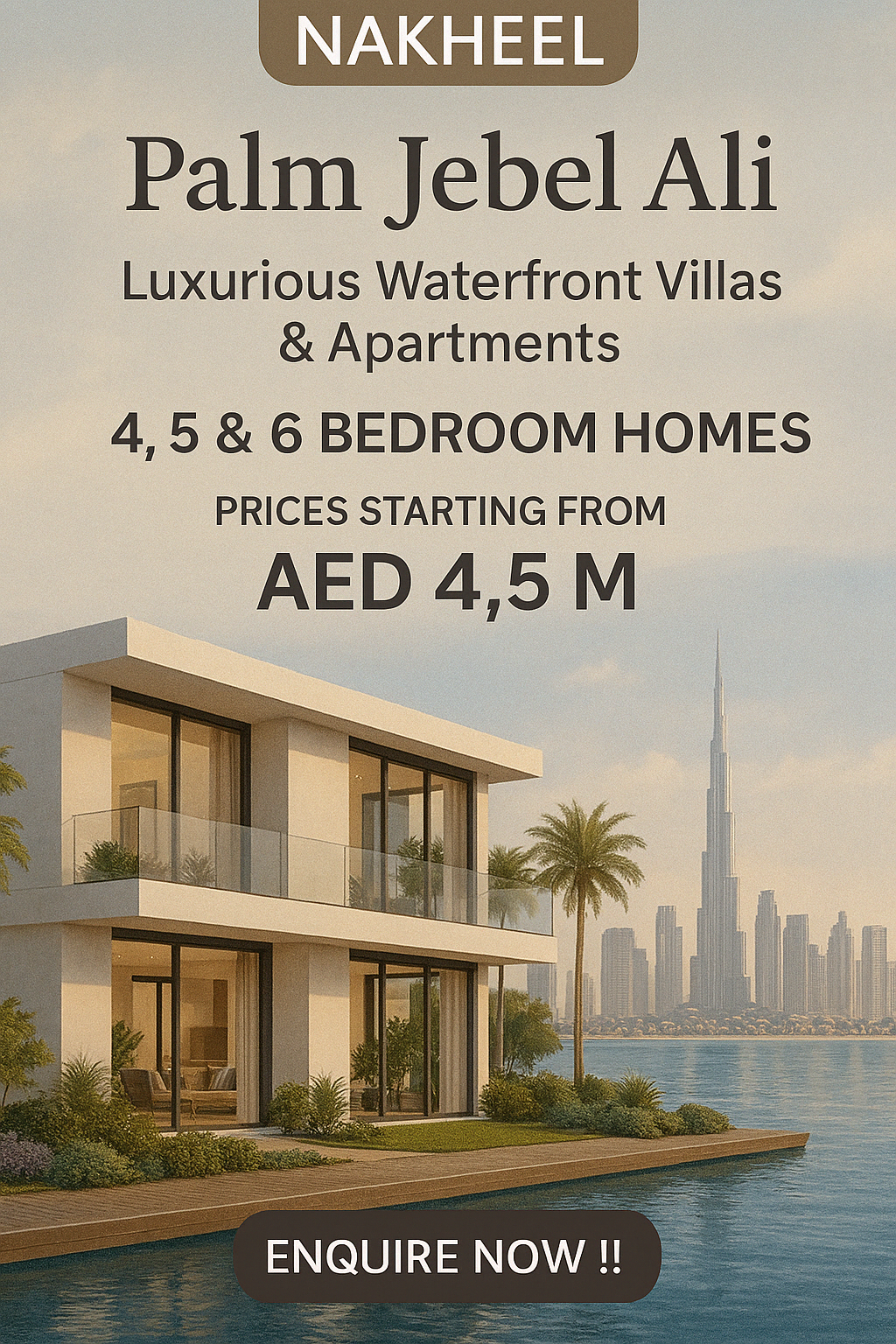
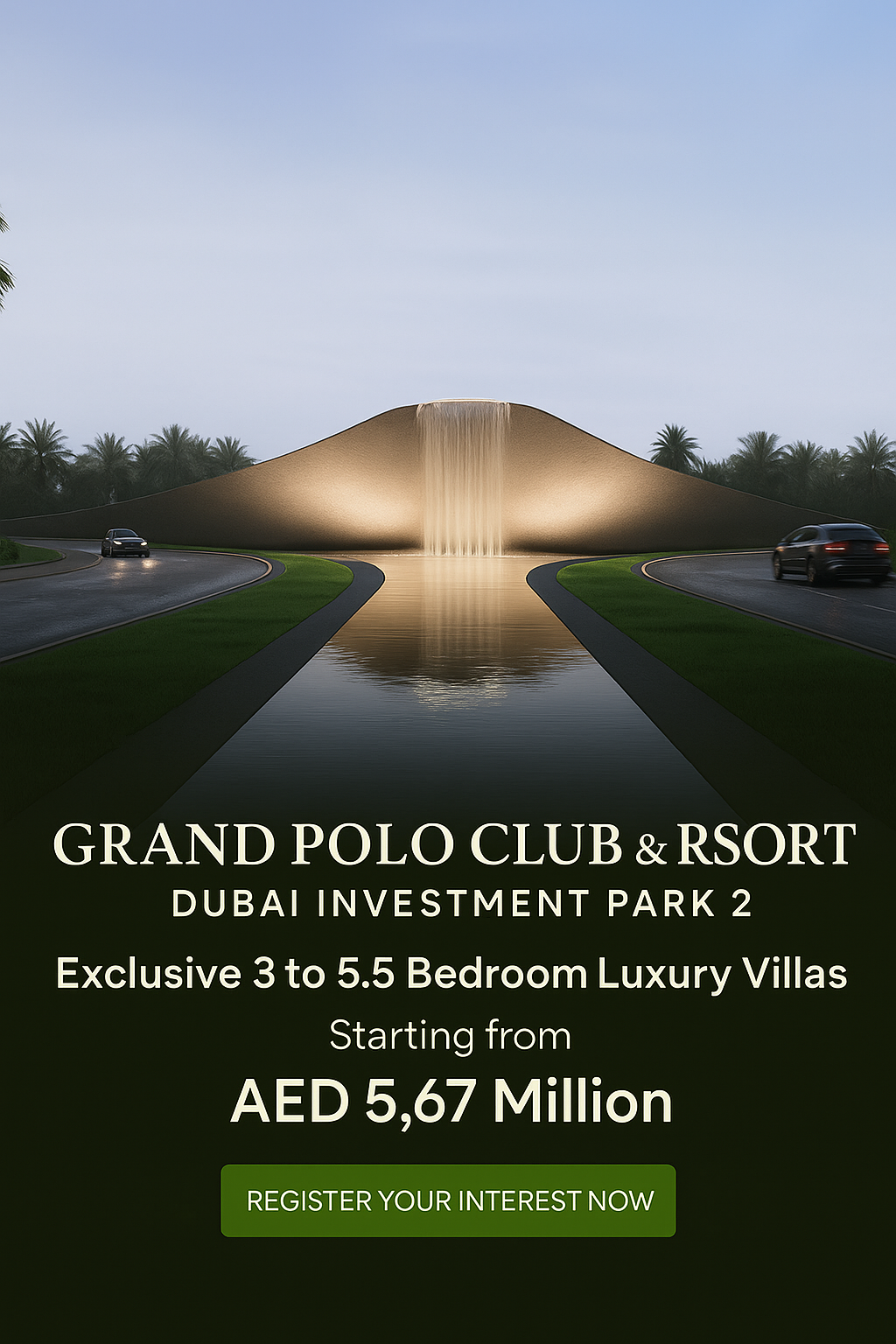
Feature Properties
You Might Also Like

How to Calculate Prorated Rent?
Prorated rent is the amount you fix to a tenant for the number of days they reside in the unit, based on the monthly rent. The monthly rent is prorated by the day rather than se
2021-12-22
Continue Reading
What Are the Benefits of Owning a Rental
Have you considered entering the world of real estate investment and are intrigued by the prospect of owning a 2021-12-24
Continue Reading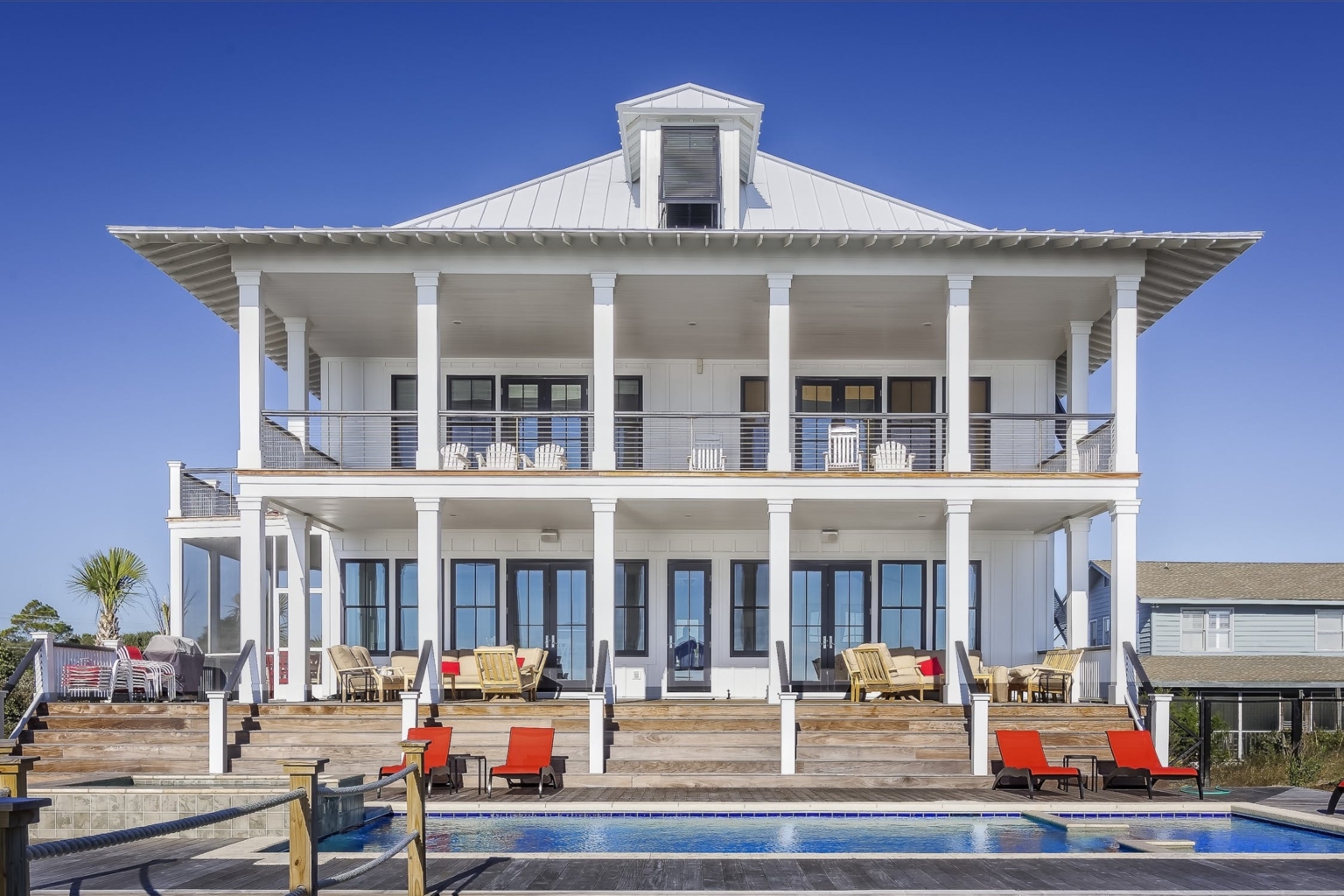
How Can Next Level Real Estate Get Your
Renting out your property on your own is sometimes a hassle for the owners. You have to manage listings, have to attend and answer all the calls, and filter the prospects, negot
2022-01-03
Continue Reading
What Factors Have Led to Dubai's Economi
Dubai is one of the most breathtaking destinations in the world which offers you the top-class infrastructure and lifestyle in the metropolis. It portrays an iconic and extravag
2022-06-16
Continue Reading
10 Tips for Getting the Best Property Va
When it comes to real estate, one of the key aspects that every investor should be mindful of is property valuation. Accurate property valuation not only helps you understand th
2023-09-12
Continue ReadingStay in the loop Through our newsletter
Get to know about the latest real estate insights.

Popular Searches
Off Plan Projects
Popular Areas
About Us
Popular Searches
Off Plan Projects
Popular Areas
Next Level © 2026 All Right Reserved