
Dubai Faces a New Problem After Becoming a Victim of Its Own Popularity
Dubai, a shimmering oasis in the desert, has transformed itself into a global icon of luxury, innovation, and architectural marvels. Over the past two decades, this emirate has skyrocketed in popularity, attracting millions of tourists and businesses worldwide.
With its opulent shopping malls, world-class hotels, and groundbreaking attractions, Dubai has crafted a unique identity as a tourist and business hub.
However, this meteoric rise has also brought about significant challenges, leading to a situation where the city finds itself a victim of its own success. As the demand for tourism skyrockets, Dubai faces issues such as over-tourism, strain on infrastructure, rising living costs, and cultural dilution.
The Rise of Dubai: A Tourist and Business Magnet
Dubai's transformation began in the late 20th century, driven by visionary leadership and strategic planning. The emirate's geographic location, situated at the crossroads of Europe, Asia, and Africa, makes it an ideal stop for international travelers and businesses.
The government invested heavily in infrastructure, creating a world-class airport, an expansive metro system, and luxurious hotels, contributing to a steady influx of visitors.
Statistics from the Dubai Department of Tourism and Commerce Marketing (DTCM) reveal that Dubai welcomed over 16 million international visitors in 2019, a figure that had been steadily increasing year on year.
Major events such as the Expo 2020 (postponed to 2021 due to the pandemic) aimed to further boost tourism and position Dubai as a leading destination on the global stage.
The Consequences of Over-Tourism
Despite its many attractions, Dubai is now grappling with the consequences of over-tourism, which has put immense pressure on its infrastructure and local resources.
Infrastructure Strain
As the number of tourists has surged, the strain on infrastructure has become increasingly evident. The road networks, public transport systems, and airports are facing congestion and delays.
The Dubai International Airport, one of the busiest in the world, has struggled to accommodate the growing number of passengers, leading to overcrowded terminals and long wait times.
Moreover, public services such as waste management and healthcare are under pressure. The city produces over 3.5 million tons of waste annually, much of it generated by tourism. The existing waste management systems are struggling to keep pace, leading to environmental concerns.
Housing Crisis
The housing market in Dubai has also felt the impact of increased demand. With an influx of expatriates and tourists, property prices and rents have surged, making it difficult for many locals to afford housing.
The annual report from the Property Finder revealed that rental prices in Dubai had increased by up to 25% in certain areas. This spike has led to rising tensions between long-term residents and newcomers, as locals find it increasingly challenging to secure affordable housing.
Environmental Concerns
As tourism grows, so does the demand for natural resources. Dubai’s already limited water supply is under further strain with increased consumption for hospitality and entertainment purposes.
Additionally, the surge in visitors contributes to heightened pollution levels, affecting air quality and overall sustainability. The emirate faces the challenge of balancing its growth ambitions with environmental preservation, as the desert ecosystem is delicate and easily disrupted.
Cultural and Social Impact
The rapid influx of tourists has not only economic implications but also significant cultural and social consequences.
Cultural Dilution
Dubai's identity is deeply rooted in its rich cultural heritage. However, the overwhelming presence of tourists can dilute local traditions and customs. As the city caters to international tastes, some cultural events and practices have been overshadowed or commercialized.
Residents express concern that the unique Emirati culture may be lost in the pursuit of profit. The annual Dubai Shopping Festival, while a major attraction, is often criticized for prioritizing commercial interests over local cultural experiences.
Safety and Security
With the increasing number of tourists, maintaining safety and security has become a critical concern. Although Dubai is known for its low crime rate, the surge in visitors can create vulnerabilities.
Incidents involving theft or disturbances, although rare, can tarnish the city's reputation as a safe destination. The authorities are continually working to enhance security measures, but the challenge of ensuring safety amid rising tourist numbers remains.
Economic Ramifications
The economic landscape of Dubai is shifting as the city faces the challenges of over-reliance on tourism.
Saturation of the Market
The hospitality and retail sectors have seen an oversupply of hotels, restaurants, and attractions, leading to increased competition and saturation. While the initial boom in tourism led to new business opportunities, the subsequent market saturation raises concerns about the sustainability of these enterprises.
Reports indicate that several hotels are struggling to maintain occupancy rates, leading to potential bankruptcies and job losses in the tourism sector.
Dependence on Tourism
Dubai's economy heavily relies on tourism, making it vulnerable to fluctuations in global travel trends. Events such as the COVID-19 pandemic demonstrated the fragility of an economy that lacks diversification.
As international travel restrictions affected tourist arrivals, Dubai faced significant economic setbacks. To mitigate this risk, the emirate is increasingly focused on diversifying its economy through sectors such as technology, finance, and renewable energy.
Responses and Strategies
In light of these challenges, the Dubai government is taking proactive measures to manage tourism and promote sustainable practices.
Government Initiatives
Recent initiatives aim to strike a balance between tourism growth and quality of life for residents. Dubai Tourism Vision 2025 focuses on promoting sustainable tourism by enhancing the visitor experience while preserving local culture and heritage.
This includes investments in infrastructure improvements, smart city technology, and eco-friendly practices.
Sustainable Tourism Practices
Dubai is increasingly adopting sustainable tourism practices to minimize its environmental impact. Initiatives such as promoting eco-tourism, encouraging responsible travel, and implementing green building standards are gaining traction.
The Dubai Sustainable Tourism initiative aims to enhance the emirate's appeal as a responsible travel destination, encouraging visitors to engage with local culture and nature while minimizing their ecological footprint.
Future Outlook
As Dubai navigates the complexities of over-tourism, the future will depend on its ability to balance growth with sustainability. The integration of technology and innovation will play a crucial role in addressing the challenges faced by the city.
Smart city initiatives, data-driven solutions, and community engagement will be essential in ensuring that Dubai can continue to thrive as a global hub while preserving its unique identity.
The Wrap Up
Dubai's remarkable rise as a global tourist destination has brought with it a set of challenges that must be addressed. The issues of over-tourism, infrastructure strain, rising living costs, and cultural dilution present a complex landscape that requires thoughtful solutions.
As the emirate seeks to navigate these challenges, a focus on sustainable practices and community engagement will be crucial in ensuring that Dubai remains a vibrant and appealing destination for years to come.
Only by addressing these issues can Dubai continue to embrace its identity as a world-class city while preserving the qualities that make it unique.
Feature Properties


You Might Also Like
Dubai Haven by Aldar Sells Out in Record
Abu Dhabi-based Aldar Properties today announced that it has sold out the first two phases of Dubai 2023-11-02
Continue Reading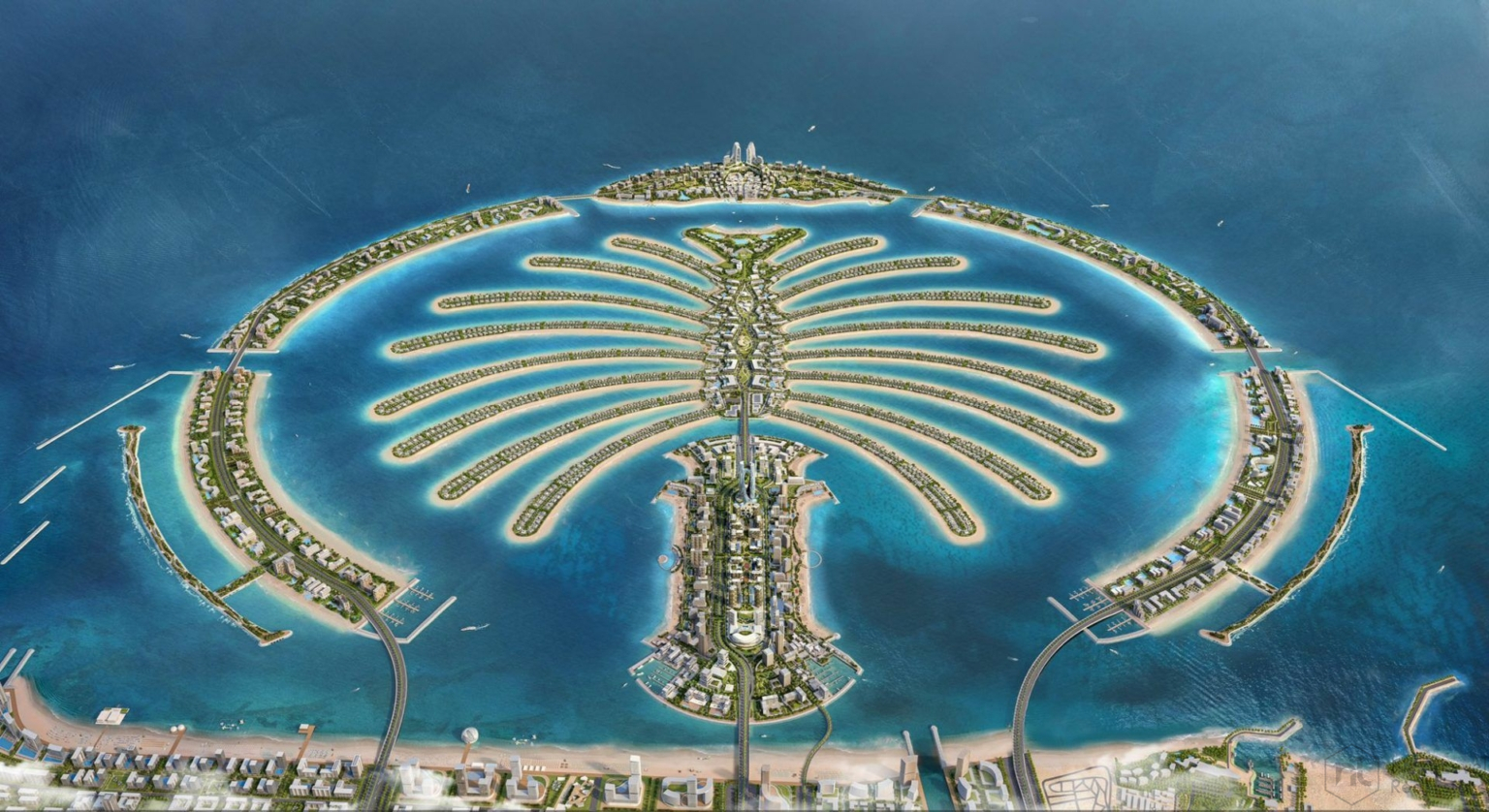
Palm Jebel Ali Island Records a Dh5.4 Bi
The real estate market in Dubai has witnessed a new milestone with the astonishing sales figures from Palm Jebel Ali, the latest addition to Dubai's iconic island developments.
2023-11-15
Continue Reading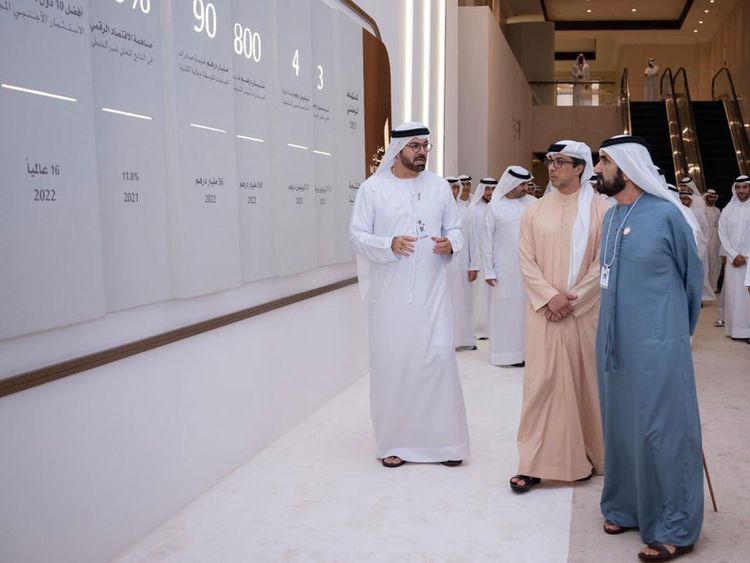
Sheikh Mohammed Unveils 10 Guiding Econo
In a landmark announcement, Sheikh Mohammed bin Rashid, Vice President and Ruler of Dubai, revealed a comprehensive set of 10 economic principles that will shape the trajectory
2023-11-29
Continue Reading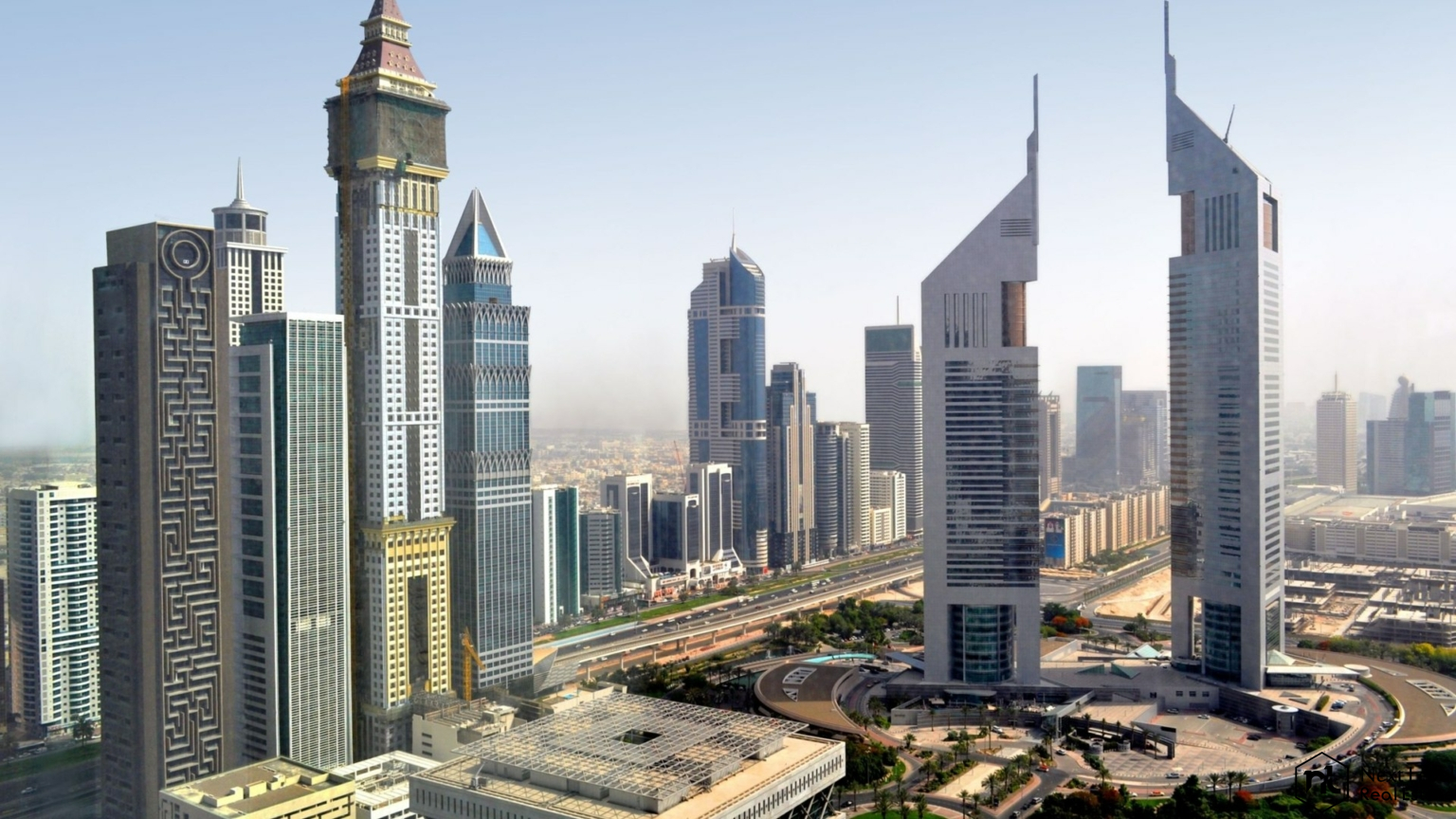
Dubai Real Estate Transaction in Decembe
Despite the year-end holiday season, Dubai's vibrant property market closed out 2023 with a bang, demonstrating remarkable resilience and adaptability in December. Characterized
2023-12-22
Continue Reading
UAE in 2024's Top 10 Global Residential
The United Arab Emirates (UAE) has emerged as a major player in global residential investment, marking its territory in the top 10 of Housearch's Investment Index for 20
2024-01-09
Continue ReadingStay in the loop Through our newsletter
Get to know about the latest real estate insights.

Popular Searches
Off Plan Projects
Popular Areas
About Us
Popular Searches
Off Plan Projects
Popular Areas
Next Level © 2026 All Right Reserved