
How Value Additions Amenities Boost Off-Plan Property Appeal
Off-plan properties in Dubai have witnessed a sharp rise in investor interest, particularly due to flexible payment structures and lower initial capital requirements.
According to the Dubai Land Department, off-plan sales made up over 59% of total real estate transactions in Q1 2025, reaching over AED 53.8 billion. While location and price are fundamental, the inclusion of value-additional amenities in off-plan properties has emerged as a critical factor influencing buyer decisions and long-term value.
These amenities—ranging from smart home features to lifestyle-centric offerings—serve as both marketing tools and investment differentiators. They help bridge the trust gap inherent in purchasing unbuilt properties.
This blog explores how these value additions shape buyer psychology, elevate returns, and reflect future-ready investment potential.
What Are The Most Impactful Value-Addition Amenities In Off-Plan Properties?
According to a report by QBD.ae (2025), projects that incorporate amenities like those discussed below can see a 20–25% premium in resale value, especially in mid-to-high-end developments. This is attributed to the growing demand for modern amenities in residential projects that promise both convenience and lifestyle elevation.
Popular off-plan property features include:
Smart Home Integrations
Smart home features are no longer considered luxury add-ons—they are becoming standard in Dubai’s off-plan market. These include keyless entry systems, climate-controlled thermostats, remote lighting, and integrated security surveillance. They offer convenience, safety, and energy efficiency, which in turn increase a property's appeal to tech-savvy buyers and tenants.
Wellness and Fitness Facilities
Dedicated wellness amenities like state-of-the-art gyms, yoga decks, steam rooms, and wellness spas offer a lifestyle advantage. Buyers are increasingly prioritizing health-oriented living, making these amenities essential. Projects with such offerings see faster sales and better post-handover tenant retention.
Green and Open Spaces
Landscaped courtyards, rooftop gardens, and shaded podium areas add tremendous value to urban residential projects. These features contribute to mental well-being, community bonding, and a premium aesthetic that enhances overall resale potential.
Co-Working Lounges
With hybrid work on the rise, buyers and tenants now seek professional-grade co-working spaces within residential complexes. These lounges often include meeting pods, printing services, and high-speed internet, making them a valuable draw for young professionals.
EV Charging and Sustainable Infrastructure
EV charging ports, solar-powered common areas, and water conservation systems align with global green mandates. These amenities not only reduce utility bills but also attract environmentally conscious investors.
Example: In 2024, Emaar’s Parkside Views project, with wellness gardens and a digital concierge system, recorded a 38% faster sell-out compared to adjacent developments with limited offerings. These amenities in new property developments are becoming a decisive factor in buyer preference, particularly in a market oversaturated with standard units.
How Do Premium Amenities Influence Buyer Decisions in Off-Plan Developments?
The psychology behind off-plan investment is built on perceived promise rather than tangible experience. In this context, premium amenities act as a trusted catalyst.
Buyers are increasingly drawn toward projects offering;
Concierge and valet services
Private wellness facilities (saunas, spas)
Exclusive retail outlets and cafes within the complex
Luxury facilities in off-plan projects like rooftop lounges or cinema rooms
Such offerings reduce apprehension about buying unseen properties. A 2024 study revealed that 62% of off-plan investors in Dubai consider on-site wellness and convenience facilities a "critical deciding factor" before making a deposit.
Feature | Buyer Attraction Impact (Survey, 2024) |
Wellness Spa | 74% |
Concierge Desk | 67% |
In-house Retail | 61% |
Rooftop Social Spaces | 58% |
Developers strategically use these elements as off plan property buyer incentives to differentiate from competitors. With rising supply in areas like Dubai South and Jumeirah Village Circle, a gym or pool alone no longer suffices. Instead, uniqueness and emotional engagement—such as meditation pods or curated art spaces—boost brand value and reduce buyer churn.
The investment value boosters like premium amenities not only help seal the initial sale but also fuel positive word-of-mouth, which is vital in a referral-driven market.
What Are Emerging Trends in Value-Added Facilities for Off-Plan Properties?
Dubai’s real estate market is no longer satisfied with traditional luxuries. New trends are shaping what qualifies as a value-adding amenity today.
DLD (Dubai Land Department) indicates that properties with smart tech integrations attract a 15% higher ROI compared to those without. Thus, the impact of amenities on property prices is both measurable and escalating.
Key Emerging Amenities in 2024–2025
EV charging stations
Smart irrigation and lighting systems
Solar panel integration
Co-living lounges and digital workspaces
Climate-controlled indoor gardens
These cater to eco-conscious, tech-savvy investors. Green certifications and smart infrastructure align with Dubai's Net Zero Carbon Emissions Strategy 2050. Projects like Sobha Hartland and Tilal Al Ghaf already feature smart security and water recycling systems, which are driving demand from Gen Z and millennial buyers.
Advantages of sustainable, tech-enabled amenities
- Long-term operational cost reduction
- Attracts ESG-focused institutional buyers
- Improves tenant retention for rental investors
- Enhances brand reputation in competitive markets
These trends show how off-plan apartment amenities are evolving from luxury to necessity, creating a future-proof narrative that aligns with shifting buyer values and Dubai’s smart city vision.
Why Do Value-Added Amenities Matter More in Off-Plan Properties Than Resale?
From an investment standpoint, the benefits of off-plan real estate investments increase when the development includes community-enhancing features. These amenities become leverage points for pricing, tenant attraction, and resale strategies once the project is delivered.
No Physical Product to Inspect
Unlike ready properties, off-plan investments are made based on brochures, renderings, and promises. In this intangible phase, value-added amenities help buyers visualize their future lifestyle. A rooftop pool or wellness spa offers a compelling reason to commit despite not seeing the final product.
Stronger Emotional Assurance
Amenities act as emotional anchors. Features like landscaped terraces, kids’ play zones, or co-working spaces help buyers picture daily life in a yet-to-be-built environment. This emotional assurance is essential for end-users making long-term commitments.
Compensation for Delivery Timelines
Off-plan projects typically require a 2–4 year wait before handover. Amenities offer a form of compensation for this delay. Buyers are more willing to endure the wait if they believe the result includes exclusive lifestyle features not found in older resale units.
Built-in Differentiation for Investment
Buyers of off-plan properties often intend to lease or sell post-handover. Value-added features give the unit a unique selling proposition. In a market where resale units may lack modern facilities, amenities become powerful value boosters.
Part of a Larger Lifestyle Ecosystem
Modern off-plan developments are master-planned communities. Amenities aren’t isolated—they’re integrated. From fitness centres to retail promenades, these features are presented as a holistic lifestyle, making the entire development more attractive compared to standalone resale apartments.
In resale properties, retrofitting amenities is both costly and limited by space constraints. Hence, developers must embed these offerings from blueprint to build.
How Can Developers Maximize Value Through Strategic Amenities in Off-Plan Projects?
From the developer’s standpoint, every amenity comes with a cost-to-benefit analysis. Including a rooftop pool may increase marketability, but does it justify the structural and maintenance expenses?
Strategic Recommendations
Assess location needs (e.g., coastal properties benefit from water sports facilities)
Align amenities with buyer persona (young families prefer daycare; professionals prefer lounges)
Opt for flexible-use spaces (convertible gyms into event areas)
Evaluate ongoing service models (e.g., outsourced concierge or in-house staff)
Amenity Type | Avg. Cost (AED/sq. ft) | Avg. ROI Boost |
Smart Tech | 80–120 | 10–15% |
Wellness Facility | 120–150 | 12–18% |
Coworking Lounge | 100–130 | 8–12% |
A successful case is Dubai Hills Estate, where green walkways and medical centres elevated value beyond typical market benchmarks. Developers who focus on property value enhancement through amenities reap benefits in both pre-launch bookings and post-handover satisfaction.
By thoughtfully integrating real estate investment value boosters, developers can increase not just the desirability but the long-term appreciation trajectory of their projects.
What Should Buyers Look for in Value Additions Amenities When Investing in Off Plan Properties?
For prospective investors and homeowners, not all amenities are equally beneficial. Prioritization is key.
Checklist for evaluating value additions;
Maintenance: Are these amenities managed professionally? Is there a service fee cap?
Access control: Are they exclusive to residents or open to the public?
Longevity: Are materials durable and future-proof?
Legal binding: Are these amenities mentioned in the SPA (Sales Purchase Agreement)?
Buyer-friendly amenity features
Rooftop gardens with solar shading
High-speed smart elevators
AI-enabled security systems
Dedicated delivery storage lockers
Buyers must also differentiate between temporary perks like waived fees and permanent features. A free kitchen appliance today is less valuable than a fully integrated wellness centre tomorrow.
Wrapping Up: How Value Additions Amenities Define the Future of Off-Plan Property Investments
As Dubai’s skyline evolves, so does the very definition of livability. Value addition amenities are no longer marketing gimmicks; they are core to investment logic and user satisfaction.
They provide
Measurable uplift in pricing and ROI
Assurance to hesitant buyers
Differentiation in a competitive market
Alignment with future urban and ecological trends
As you explore value-added amenities in off-plan properties, remember—it’s not just about what’s on the blueprint but what those blueprints promise for your future.
Feature Properties
You Might Also Like
Things You Should Know Before Buying Off
Buying off-plan luxury villas comes with their own upsides as well as downsides. Getting a property in advance of its completion brings a lot of advantages for the buyer.
2021-11-13
Continue Reading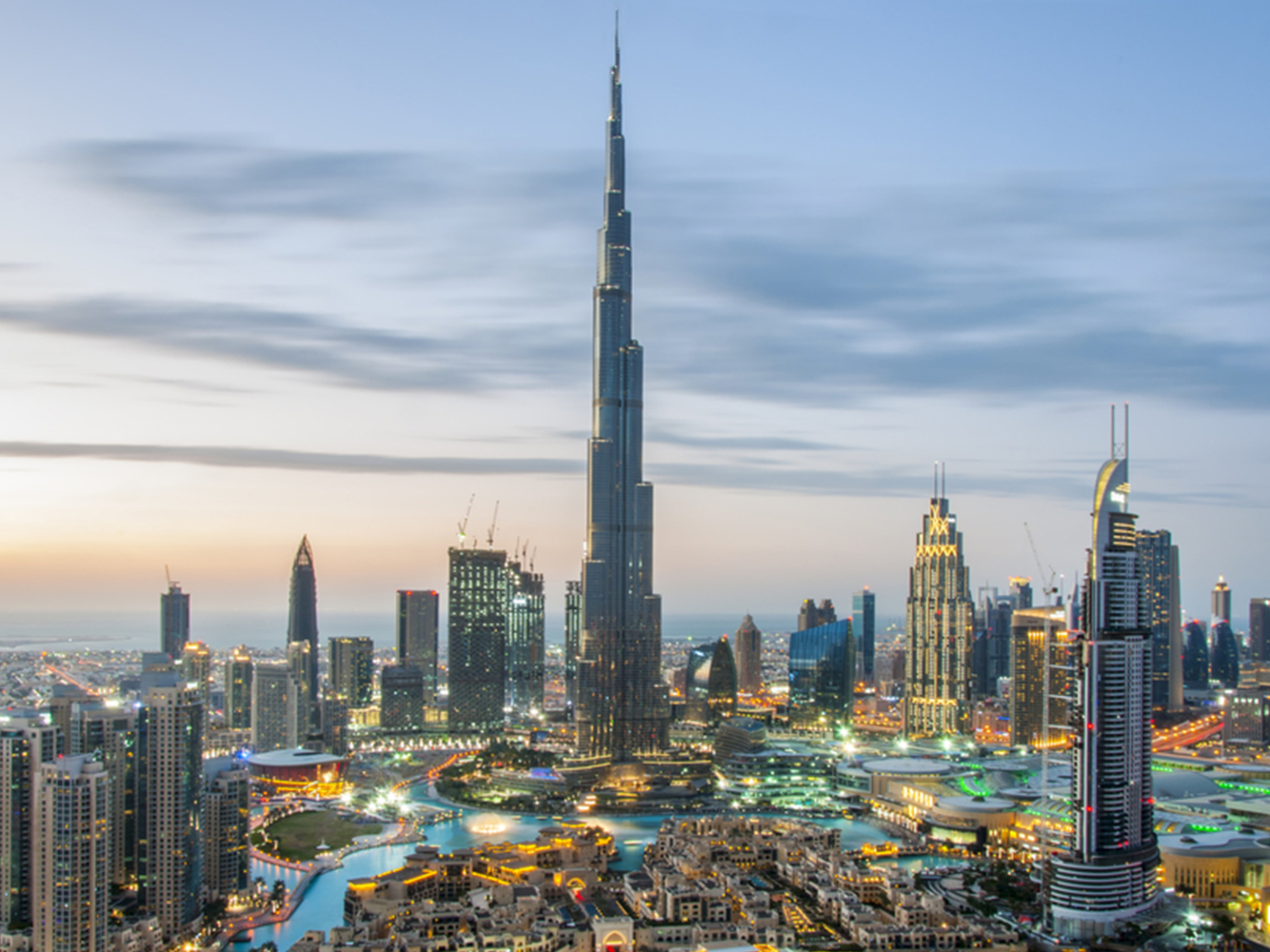
Top Hottest OFF Plan Apartments in Dubai
The construction industry in Dubai has witnessed a positive boom after the peak of COVID-19. This rise in under-construction projects developed a vast collection of top-n
2022-04-15
Continue Reading
How and Why should you Invest in OFF Pla
If you want to invest in real estate, buying an off-plan property in Dubai is a great choice. And, since the UAE’s freehold law was established in 2002, it has been qu
2022-04-19
Continue Reading
What is the Importance of Thermal Imagin
Dubai attracts various foreign and local investors, because it has lots of Free Zones, and is also a very popular tourist destination. The UAE is one of the most sought-aft
2022-04-27
Continue Reading
Crypto: What Is the Future of Property T
Dubai is known for its rich lifestyle, lavish hotels, and, more recently, its developing bitcoin business. "The city's real estate industry is starting to switch away from money
2022-06-02
Continue ReadingStay in the loop Through our newsletter
Get to know about the latest real estate insights.

Popular Searches
Off Plan Projects
Popular Areas
About Us
Popular Searches
Off Plan Projects
Popular Areas
Next Level © 2026 All Right Reserved