
Living in the UAE vs Spain: Cost of Living, Lifestyle, and Career Opportunities
1. Introduction
When choosing where to live and work, the decision often boils down to more than just the weather or cultural vibe. It’s about finding the right balance between affordability, career opportunities, lifestyle, and long-term potential. For expats and investors, the UAE and Spain stand out as two contrasting yet attractive options.
The UAE, with its ultra-modern cities, tax-free salaries, and strong economy, offers a unique environment of opportunity and luxury. On the other hand, Spain, with its Mediterranean lifestyle, affordable cost of living, and access to the European Union, provides a relaxed yet dynamic option for expats.
This blog dives deep into comparing the cost of living, lifestyle differences, career prospects, and overall advantages of these two countries, helping you make an informed decision. Whether you're seeking financial growth, a family-friendly environment, or an opportunity to invest, this guide will help you decide where to call home.
2. Cost of Living Comparison: UAE vs Spain
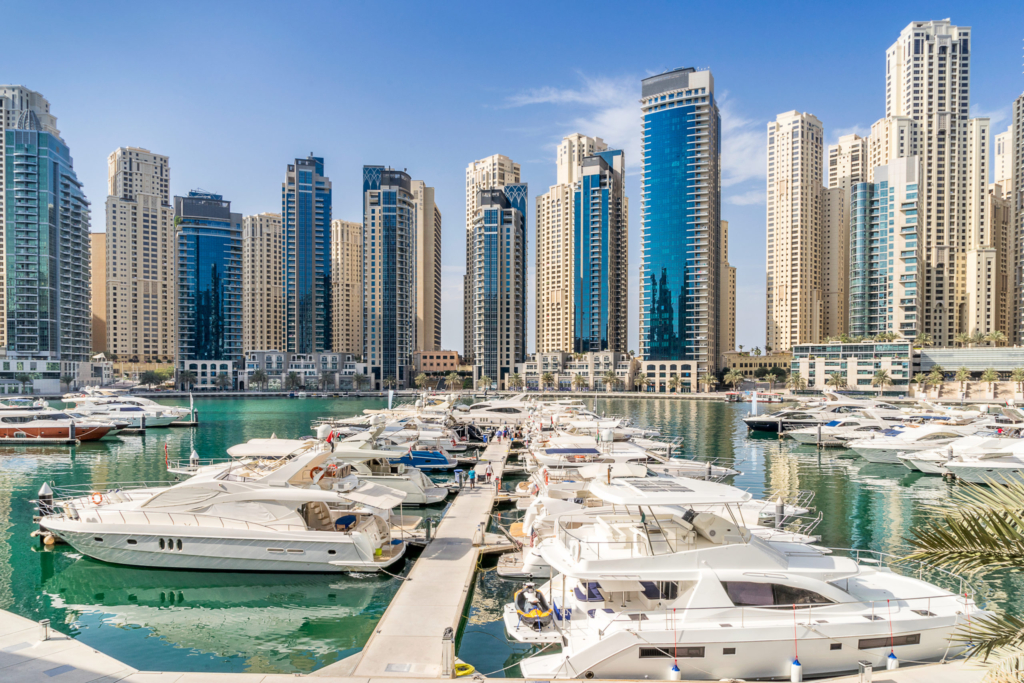
When considering a move to another country, one of the most crucial aspects to evaluate is the cost of living. Both the UAE and Spain offer a wide range of living standards, but the costs vary significantly between the two.
2.1 Housing and Accommodation
Housing is often the largest expense for expats.
UAE: Renting a one-bedroom apartment in a central area like Dubai Marina or Downtown Dubai can cost between AED 6,000–12,000/month (€1,500–3,000). In Abu Dhabi, similar options are slightly more affordable, ranging from AED 5,000–10,000/month (€1,200–2,500).- Property purchase prices in the UAE average AED 10,000–15,000 (€2,500–4,000) per square meter in premium areas.
Spain: Renting a one-bedroom apartment in Madrid or Barcelona costs €800–€1,200/month (AED 3,200–5,000). Coastal cities like Valencia or Malaga are even cheaper, with rents averaging €500–€800/month. Property purchase prices are more affordable, averaging €2,000–4,000 per square meter in urban areas.
Related: Discover Top Freehold Areas in Dubai for 2024
2.2 Transportation
- UAE: Public transport is efficient but limited to larger cities like Dubai and Abu Dhabi. A monthly metro pass in Dubai costs approximately AED 300 (€75). Fuel is cheap at AED 3.03/liter (€0.75/liter) due to government subsidies, making car ownership common.
Spain: Spain boasts an excellent public transportation system. A monthly metro pass in Madrid or Barcelona costs €40–60 (AED 160–240). Fuel is pricier at approximately €1.75/liter (AED 7/liter), making public transport a preferred option for most residents.
2.3 Food and Dining
Groceries:
UAE: Groceries are more expensive due to heavy reliance on imports. A basic grocery bill for a family of four averages AED 2,500/month (€625).
Spain: With its rich agriculture, grocery costs are lower, averaging €300–400/month (AED 1,200–1,600) for a family of four.
Dining Out:
UAE: Dining in restaurants can range from AED 50 (€12) per person at a casual eatery to AED 500 (€125) for fine dining. Alcohol is heavily taxed, with a pint of beer costing AED 50–60 (€12–15).
Spain: A meal at a mid-range restaurant costs €10–20 (AED 40–80). Alcohol is affordable, with a pint of beer costing €3–5 (AED 12–20).
2.4 Healthcare Costs
UAE: The UAE mandates private health insurance for all residents. Monthly insurance premiums range from AED 500–1,500 (€125–375), depending on coverage.
Spain: Spain has a robust public healthcare system, accessible to residents and EU citizens. Private insurance costs significantly less than in the UAE, averaging €50–200/month (AED 200–800).
Related: Best Government Hospitals in Dubai
2.5 Education and Childcare
UAE: International schools dominate the education landscape, with annual fees ranging from AED 20,000–100,000 (€5,000–25,000) per child.
Spain: Public schools are free for residents, while private and international schools cost €3,000–10,000/year (AED 12,000–40,000).
3. Lifestyle Differences Between UAE and Spain
3.1 Climate and Environment
UAE: The UAE is characterized by extreme heat, especially during the summer months when temperatures soar to 50°C (122°F). Outdoor activities are mostly limited to the cooler winter months.
Spain: Spain enjoys a Mediterranean climate, with mild winters and warm summers. Coastal areas like Malaga and Valencia experience over 300 sunny days annually.
Related: Real Estate Investment Hotspots in UAE for 2024
3.2 Social and Cultural Environment
- UAE: The UAE is a melting pot of cultures, with over 80% of its population consisting of expats. The dominant religion is Islam, and cultural norms require modesty and adherence to certain traditions.
Spain: Spain is known for its relaxed social vibe, rich traditions like flamenco dancing, and a strong emphasis on family and social connections.
4. Career Opportunities for Expats
4.1 Job Markets
UAE: The UAE’s economy is fueled by oil, tourism, and technology. Sectors like construction, hospitality, and IT offer abundant opportunities. The unemployment rate is extremely low at 3.4% in 2023.- Spain: Spain has a higher unemployment rate of around 12.4% (2023), though industries like tourism, agriculture, and renewable energy are growing rapidly.
4.2 Salaries and Benefits
- UAE: Tax-free salaries are a major draw, with the average salary for professionals ranging between AED 20,000–50,000/month (€5,000–12,500).
- Spain: Salaries are lower, averaging €1,500–3,000/month (AED 6,000–12,000), but the lower cost of living offsets this difference.
5. Real Estate Comparison: UAE vs Spain
When it comes to real estate, the UAE and Spain offer vastly different landscapes for expats and investors. While the UAE boasts ultra-modern luxury properties in high-demand urban hubs, Spain offers a mix of affordable homes and investment opportunities in both urban and coastal regions.
5.1 Renting vs Buying: Which is More Practical?
UAE:
The UAE real estate market is largely investor-driven, with freehold properties in major cities like Dubai and Abu Dhabi.
- Rental Costs: A one-bedroom apartment in Dubai Marina or Downtown Dubai costs AED 6,000–12,000/month (€1,500–3,000).
Buying Costs: Average property prices in Dubai hover around AED 10,000–15,000 per square meter (€2,500–4,000) in prime areas, with luxury properties commanding higher rates.
ROI: Dubai offers some of the highest rental yields globally, averaging between 6–8% annually in popular districts.
Related: Which Area in Dubai Offers the Best Rental Income?
Spain:
Rental Costs: Spain's rentals are more affordable, with a one-bedroom apartment in cities like Madrid or Barcelona costing €800–1,200/month (AED 3,200–5,000). Coastal cities like Valencia and Malaga are even cheaper, averaging €500–800/month (AED 2,000–3,200).
- Buying Costs: Property prices in Spain average €2,000–4,000 per square meter (AED 8,000–16,000) in major cities, and even lower in smaller towns and rural areas.
ROI: Spain offers steady rental yields of 3–6%, with coastal and tourist-driven areas like Marbella and the Costa del Sol offering higher returns.
Related: A Comprehensive Guide for Non-UAE Expats Buying Property in Dubai
5.2 Investment Opportunities
UAE:
- The UAE offers investor-friendly policies, especially in free zones, where expats can own 100% of the property.
- Golden Visa for Investors: Investors spending AED 2 million (€500,000) on property can apply for a 10-year UAE Golden Visa, making the UAE an attractive choice for high-net-worth individuals.
- With Expo 2020’s legacy and Dubai’s ambitious 2040 Urban Master Plan, property demand is expected to remain strong.
Related: Get Golden Visa to Invest in Dubai for Long-Term Residency?
Spain:
Spain’s Golden Visa program allows non-EU citizens to gain residency by investing a minimum of €500,000 (AED 2 million) in property.- Coastal areas like Costa Blanca, Costa del Sol, and Mallorca are hot spots for vacation homes and investment properties.
- Spain’s real estate market is stable, with steady growth predicted as tourism and digital nomad initiatives expand.
6. Affordability and Financial Considerations
When evaluating where to live, affordability and financial stability play a key role. The UAE and Spain have different systems for taxation, income potential, and overall financial burdens.
6.1 Monthly Living Expenses Breakdown
- UAE: For a single professional, monthly expenses (housing, utilities, food, transportation) average AED 12,000–18,000 (€3,000–4,500), depending on lifestyle and location.
Spain: In comparison, a single individual can live comfortably on €1,200–1,800/month (AED 5,000–7,200) in cities like Madrid, or less in smaller towns.
6.2 Taxation Policies
- UAE: One of the UAE’s strongest draws is its tax-free income. There is no income tax, making it ideal for professionals looking to maximize their earnings. However, VAT is 5% on goods and services.
Spain: Spain follows a progressive income tax system, with rates ranging from 19–47%, depending on income levels. Property owners are also subject to capital gains tax and property tax, though VAT on most goods and services is 21%.
6.3 Banking and Financial Services
UAE: The UAE offers modern banking systems, with expats able to open accounts easily. Banks often cater to high-income earners with tailored credit options and investment services.
Spain: Spain has a reliable banking system, but opening accounts can involve bureaucratic steps, especially for non-EU citizens.
7. Family Life and Expat Communities
7.1 Raising a Family
For families, quality of life is about more than just career opportunities—it includes education, healthcare, safety, and leisure options.
UAE:
The UAE is highly family-friendly, with an abundance of international schools, child-friendly amenities, and safety measures.
Education: International schools dominate, with fees ranging from AED 20,000–100,000/year (€5,000–25,000).
Leisure: The UAE boasts numerous family-oriented attractions like theme parks, beaches, and cultural festivals.
Spain:
Spain’s relaxed lifestyle is ideal for families, with a strong emphasis on family values and community.- Education: Public schools are free, and private schools cost €3,000–10,000/year (AED 12,000–40,000).
Leisure: Spain offers cultural activities, historical landmarks, and family-friendly beaches.
7.2 Expat Support Networks
UAE: With over 80% of the population being expats, the UAE has vibrant expat communities, particularly in Dubai and Abu Dhabi. Networking events, expat clubs, and online forums are plentiful.
Spain: Spain’s expat communities are more localized, with groups in major cities and coastal areas. Integration into local culture may take more effort, especially for non-Spanish speakers.
8. Pros and Cons: UAE vs Spain
8.1 Living in the UAE
Pros:
- Tax-free salaries and excellent career opportunities.
- World-class infrastructure and modern amenities.
- Safe, secure environment with low crime rates.
Cons:
- High cost of living, especially housing.
- Cultural restrictions and limited social freedoms.
- Extreme summer heat can be challenging.
8.2 Living in Spain
Pros:
- Affordable cost of living and excellent healthcare.
- Vibrant culture, rich history, and Mediterranean lifestyle.
- EU benefits, including freedom of movement within Schengen countries.
Cons:
Higher taxes and bureaucratic hurdles.- Slower job market with higher unemployment rates.
- Language barriers for non-Spanish speakers.
9. Which Country is Right for You?
Choosing between the UAE and Spain depends on your priorities:
Choose the UAE if you:
Value tax-free income and high salaries.- Are looking for luxury, modern infrastructure, and safety.
- Want to invest in a fast-growing real estate market.
Choose Spain if you:
Seek an affordable, relaxed lifestyle with a rich cultural heritage.- Prefer a lower cost of living and access to EU benefits.
- Want to invest in property in a stable, long-term market.
10. Conclusion
Both the UAE and Spain offer incredible opportunities, but they cater to different lifestyles and goals. The UAE is ideal for those prioritizing financial growth, luxury, and a fast-paced lifestyle, while Spain appeals to those seeking affordability, cultural richness, and a relaxed pace of life. Whichever country you choose, it’s essential to weigh your personal and professional goals to make the right decision.
Feature Properties

You Might Also Like

Top Successful OFF Plan Project Develope
Dubai has emerged as a global hub for real estate development, with numerous ambitious projects shaping its skyline. Among the key players in the city’s real estate market are o
2022-06-21
Continue Reading
Five Upcoming Events in Dubai that You S
Dubai is a land of beaches that enthrals everyone to come once in a life and attend different events in the metropolis. It is a city of large business hubs and incredible archit
2022-06-26
Continue Reading
How to Save Up to AED 5 Million for a Vi
Dubai is a city of opulence and extravagance, known for its stunning villas that dot the landscape. Owning a villa in Dubai is a dream for many, but the high villa costs and the
2023-09-22
Continue Reading
How to Verify Property Ownership in Duba
Dubai, the glittering jewel of the United Arab Emirates, is a city renowned for its soaring skyscrapers, luxurious lifestyle, and booming real estate market. Owning property in
2023-10-27
Continue Reading
Maximizing Your 4 Day Adventure in Dubai
Welcome to an exciting trip through the dazzling city of Dubai! In these four days, we'll guide you through a carefully planned adventure to experience the cool modern stuff, th
2023-12-06
Continue ReadingStay in the loop Through our newsletter
Get to know about the latest real estate insights.

Popular Searches
Off Plan Projects
Popular Areas
About Us
Popular Searches
Off Plan Projects
Popular Areas
Next Level © 2026 All Right Reserved